Growing Trophy Bass in Private Lakes in the South: Selecting the Right Biologist
If you own a private lake or pond in Tennessee, Alabama, Georgia, Mississippi, or Kentucky, and you manage it to improve the fishing, chances are good that you’re hoping to grow trophy bass. If you have ever had a lake management company do work on your lake, whether it be fish stocking, electrofishing, or any other service, you know that there are quite a number of such companies vying for your dollars. Most of those companies are sending out people who at a minimum will have a bachelor’s degree in biology; the better companies tend to send out people who have at least one degree in fisheries science. So how do you choose the biologist who will do the best job of helping you grow giant bass? Here are a few thoughts that should help you whittle down the list:
1) Are they based in the South?
There are several companies that come here from multiple states away. It’s a bit of a mystery to us, to be honest; you’ll never see, for example, a custom home builder trying to get accounts multiple states away; I personally have never seen a landscaping company try to cover that much area; even in the other field that we work in, excavation, I don’t know of any excavation companies from that far away trying to get work here in Tennessee. Granted, lake and pond management is a niche business; not everyone owns a pond. It still seems to this biologist that if we all focused more on our own backyard, everyone could make a good living without having to drive all over creation.
But, as of this writing, our company is outranked on Google by no less than three companies that come here from at least two states away. You might ask, why should that matter? If you were buying trees to start an orchard, would you buy them from a nursery that had been growing trees in this state for nearly forty years and knew trees native to this state’s climate like the back of their hand, or one that just came here five or eight years ago from a completely different climate and wanted to sell you trees they knew from their climate?
There are several lake and pond management companies that have been working in this state for decades, and were started here in the southeast by people from this area. It doesn’t take a NASA scientist to deduce that you’ll probably get better results hiring one of those companies than you would hiring a company that just got here.
2) Are they corporately or privately owned?
We get dozens of calls every year from private equity firms wanting to buy our business. Most of the time, I don’t even talk to them; of the couple dozen times I have wasted minutes of my life in a phone conversation with an equity guy, every single time, at some point, said equity guy mentioned as the ultimate goal, selling the larger company that my company would have been absorbed into had I taken the bait. The exit is always their goal, because the only thing they care about is profit.
If you don’t think profit drives every corporately-owned lake management company, just look at how much space they devote on their website to weed control, and not just mentioning it as a service but proselytizing you to believe that even a speck of aquatic plant growth in your pond is the devil and should be nuked as quickly as possible. I have nothing at all against herbicide treatments; I just have a problem with people who tell landowners that their ponds are diseased because they have plants. I learned in grad school that one of the ways fisheries biologists used to predict the productivity of a public lake or river, how many fish they could expect it to harbor, was by observing how many aquatic plants it had: they found that waters with significant plant growth harbored four to sixteen times as many pounds of fish per acre as those without plants. Four to sixteen times more.
Don’t get me wrong: I’m not saying you have to let your lake be covered bank to bank with weeds. But I am saying that you have been fed propaganda by the corporate lake people because they don’t make any money letting plants grow; they know you aren’t going to pay them to come to your lake once a month to look at the plants and see how much they’re helping your lake by providing food and cover for aquatic invertebrates, by providing cover for forage fish, by providing ambush points for your bass. But if they tell you all plants are bad, and that your lake is sick when it has plants, then they can justify driving to your lake every month to spray those evil plants, and then they can bill you for it and open another office in another state two states away from their home facility.
3) How much experience does the biologist they’re going to assign to your lake, actually have on private waters in this state? How much experience, period, does he or she have working on private lakes and ponds?
If you needed open-heart surgery, would you hire a surgeon who was a year out of med school and had not actually operated on any living humans yet, or would you try to find a surgeon who had done that surgery dozens or hundreds of times? Just as the inexperienced surgeon is not going to do as good of a job as the one who has done it many times, so too will the inexperienced biologist do an inferior job compared to one who has worked on thousands of private lakes and ponds and has grown largemouth to trophy sizes many times in many different waters. And that leads us to far and away the most important criterion, if you want a true trophy bass fishery.
3) Do they grow big bass? Can they prove it?
Some of our competitors who are based here in the South sometimes bend the law here and there to get new clients, which makes it more difficult for people who are honest to make a living; but at least most of those companies that are based here get results. If you visit the instagram of any of our more prominent competitors who are actually southern companies, founded here in a southern state, you will find photos of trophy largemouth bass. Try finding such a photo on two of our three chief northern competitors’ websites, and you will be looking a long time. Then for the one northern competitor of ours who has a few big bass photos, try this test: make a ratio of how many states they have offices in with the number of trophy largemouth photos they have on their website or instagram, and then make the same ratio for this little company based in Tennessee that has all of one office, and a tiny fraction as many accounts as they do. Who gets results more consistently?
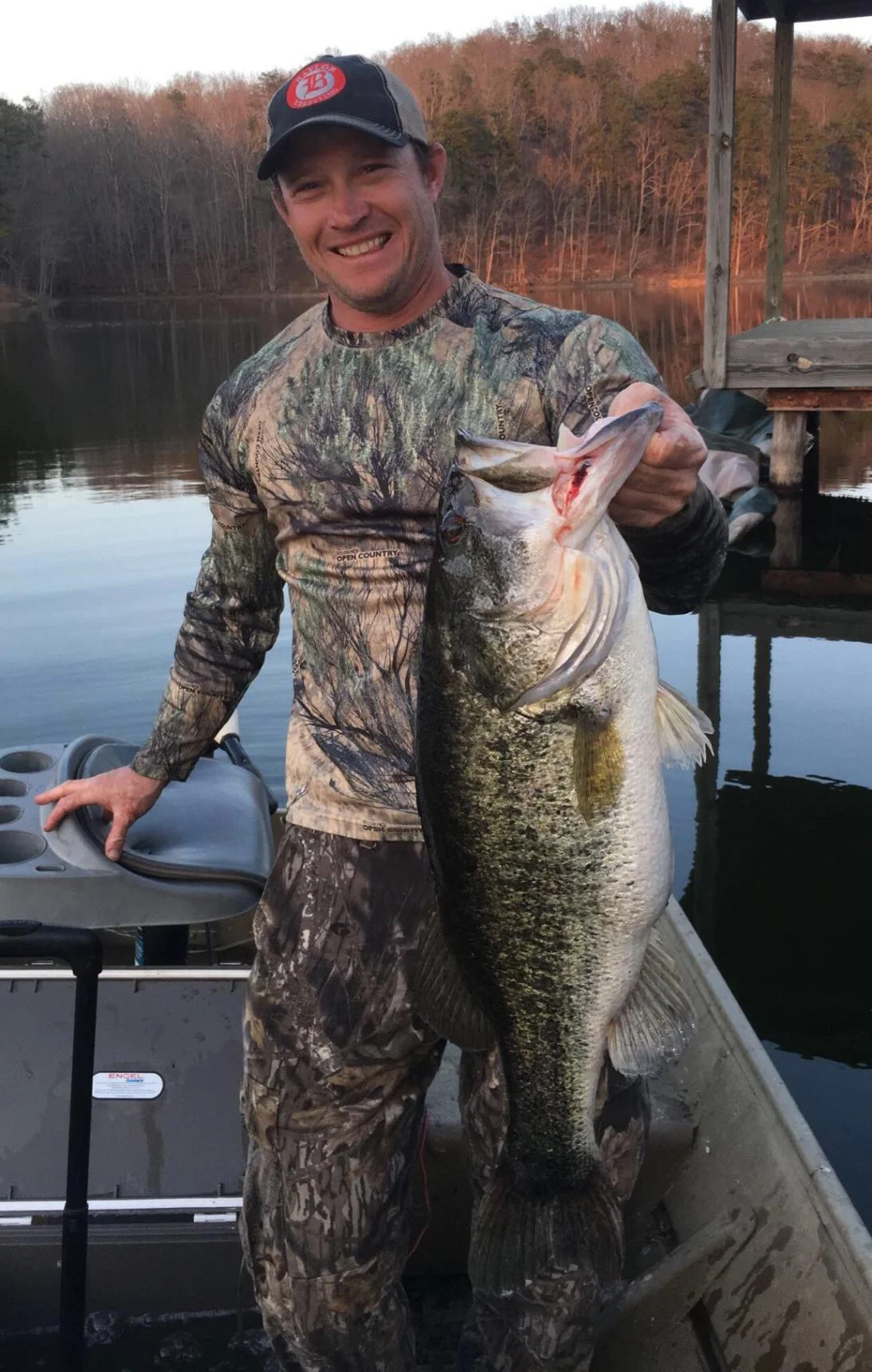
This is a 13-lb. Florida bass that was caught from a 22-acre lake we managed in north Georgia, thirty minutes south of Chattanooga. This lake has had minimal management.
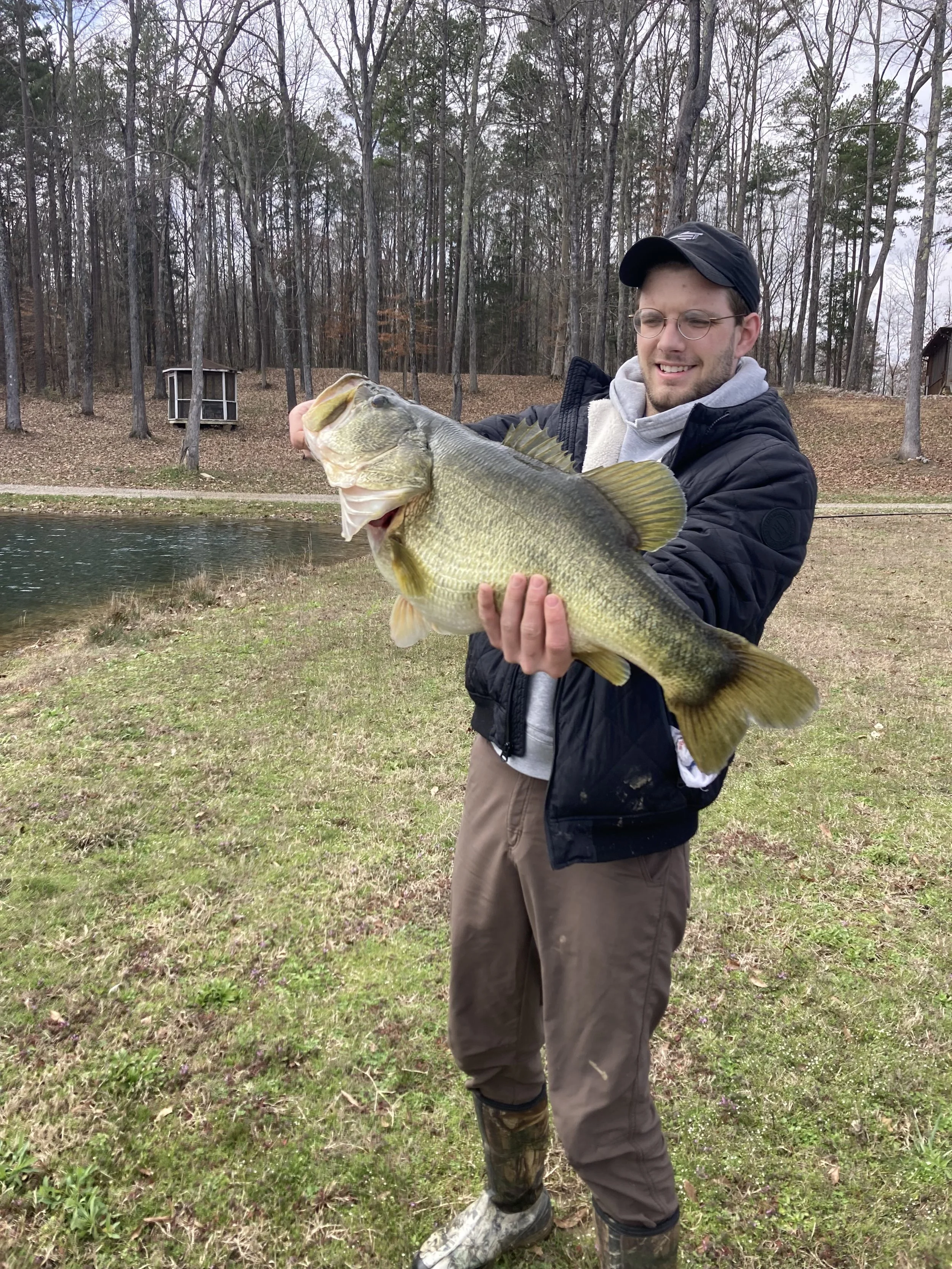
This is a Florida bass that was caught in April 2024 from a seven-acre pond in west Tennessee that we stocked as a new pond in 2016; it wasn’t weighed. This pond has had minimal management since the initial stocking.
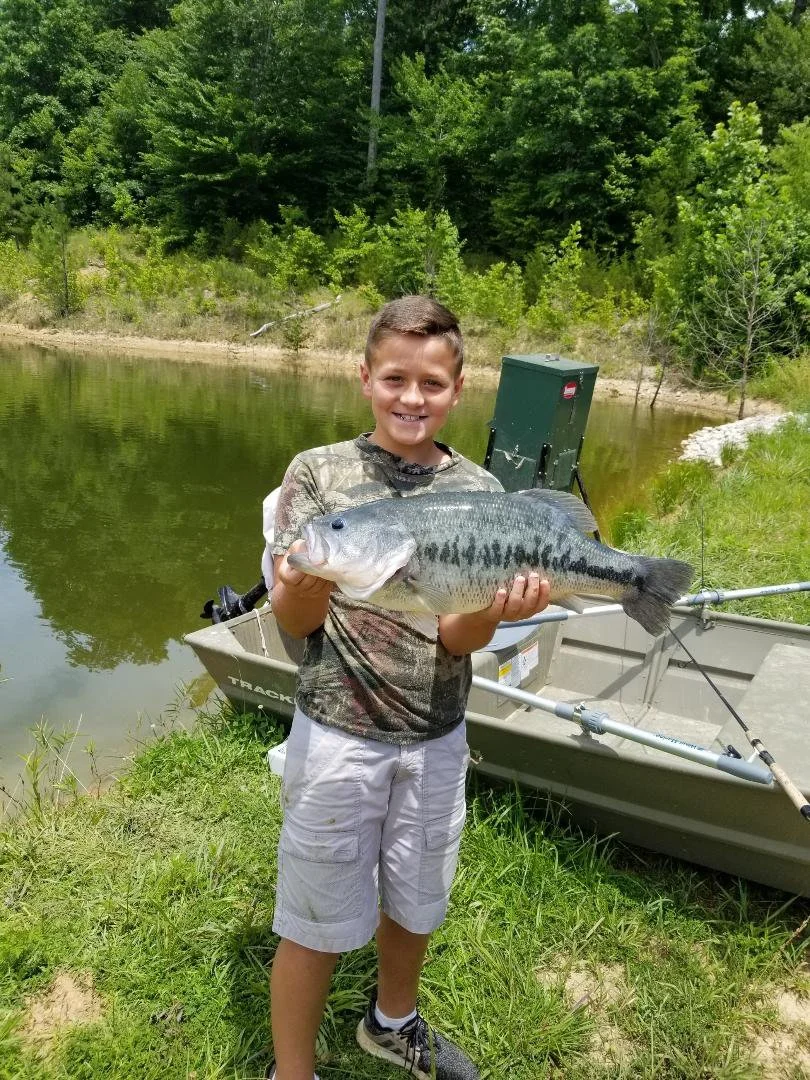
This is a 10-lb.-2-oz. largemouth that was caught from a 1.1-acre pond in middle Tennessee five years after we began managing it.
If you’re wanting to grow trophy bass, don’t be fooled by corporate hype. Hire people who actually know southern waters, and have the track record to prove it.