Lake management · Tennessee and five neighboring states
Lake management for large private lakes across the Southeast
Fishery management, aquatic vegetation control, structural repair and dredging, with the experience, manpower and equipment to do the job right the first time.
1Trophy water
Managed as trophy water, not a large farm pond
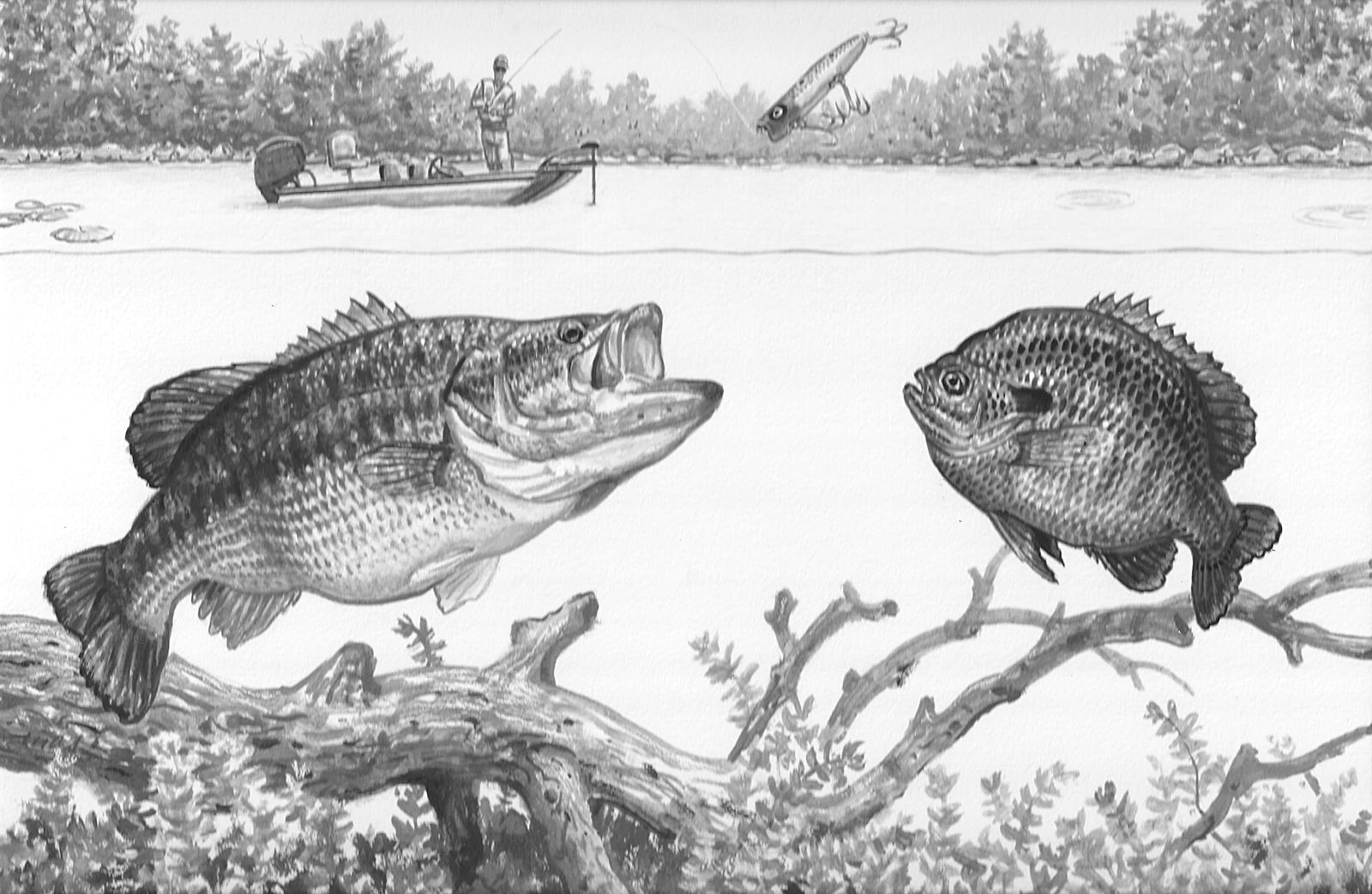
Every private lake is different, and every lake has different needs. If you own a lake of ten acres or more and you are not regularly catching bass and bluegill bigger than most anglers have seen in person, the lake is not being managed for what it can do.
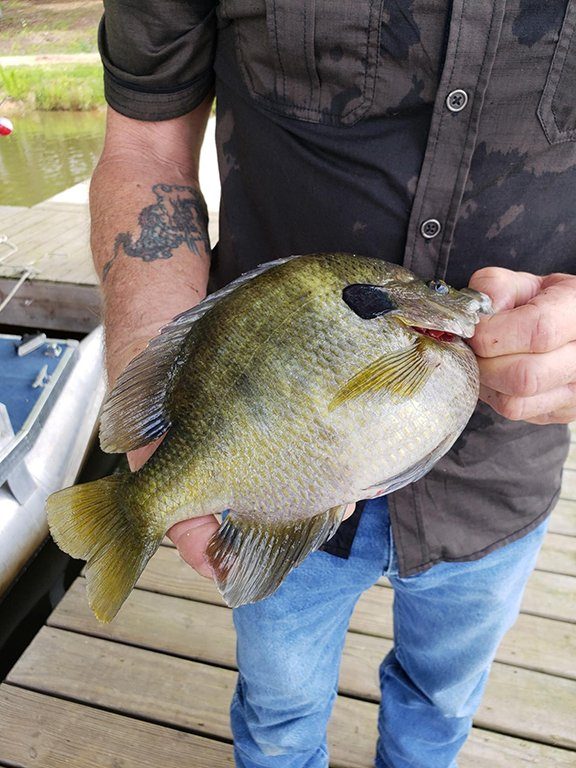
We specialize in fishery management, from trophy bass and trophy bluegill fisheries to multi-function fisheries built for fun. We also handle aquatic vegetation, from phosphorus abatement to targeted, precise applications of approved aquatic herbicides, and we dredge silt and muck with conventional excavation equipment.
We also build docks and fish habitat, and we sell, install, refill and maintain fish feeders. Large private lakes in Tennessee, Alabama, Georgia, Mississippi, Kentucky and eastern Arkansas can and should produce exceptional fish when they are managed well.
2Before you hire anyone
Seven questions to ask a lake management company
These are the questions we would ask in your place. Our answers follow each one.
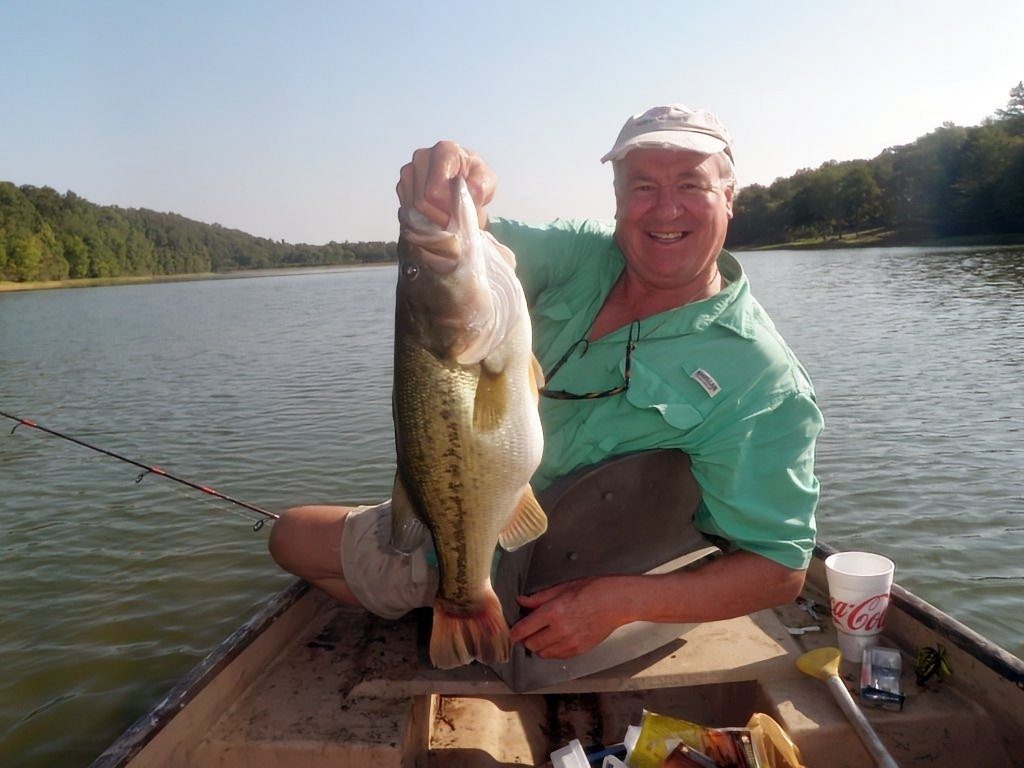
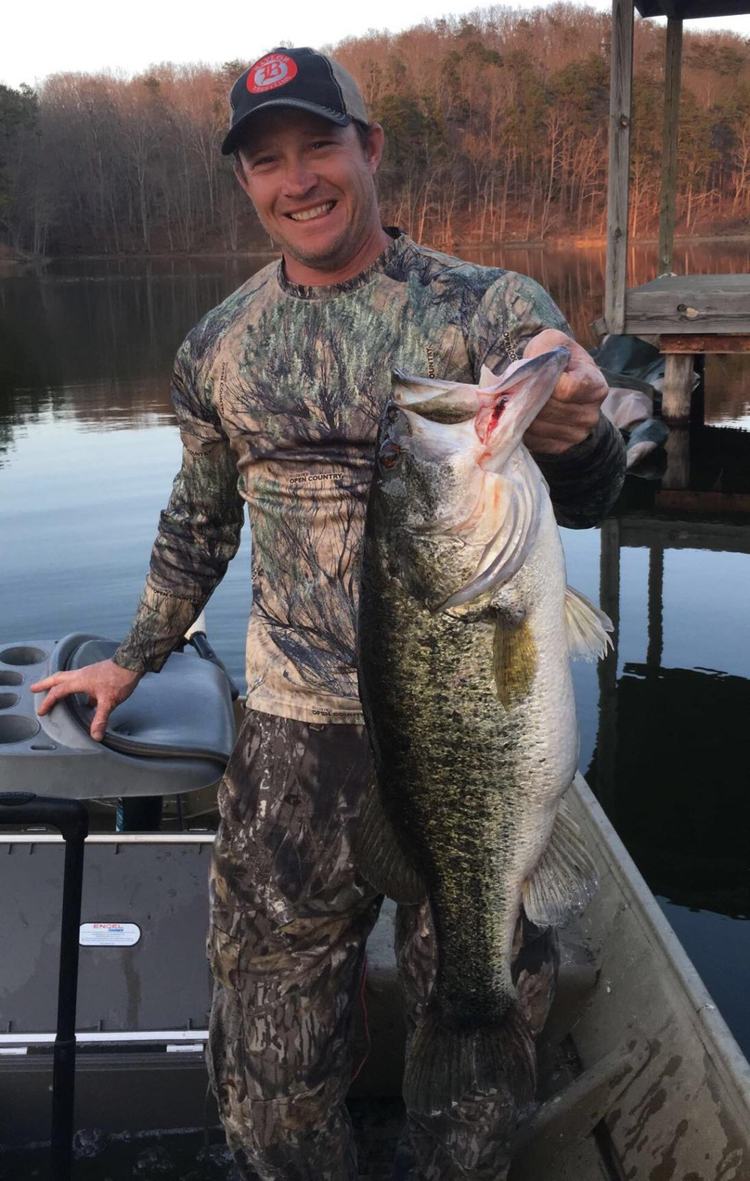
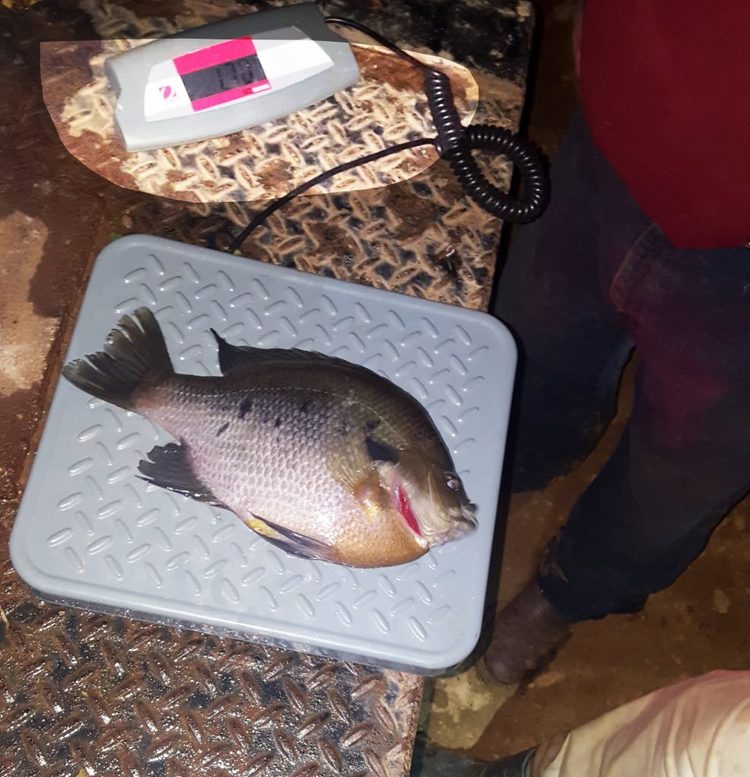
- Do they have trophy fish from many lakes?We have dozens of photos of trophy bass and bluegill caught by hook and line from the lakes and ponds we manage. If a company only shows big fish from electrofishing surveys, the owner may never catch them.
- Do they treat the cause of the weeds?Spraying every month is recurring income. Real vegetation control finds and addresses the cause; herbicides have their place, but they are recurring by nature.
- What is the habitat plan?Studies have found fish prefer natural cover such as sunken logs, rock and aquatic plants over man-made structure such as PVC trees by 5:1 to 8:1. We build habitat around your target species and never sell products that do not work.
- Does the weed plan protect the ecosystem?If you kill every last plant in your lake, your fish will be puny. If fish are the priority, the plan targets control, not obliteration.
- Can they do the structural work?Three bulldozers, three excavators, two padfoot compactors, a 40-ton off-road dump truck, our own operators, and a custom aluminum lime barge built by a company that makes large aluminum boats.
- Do they raise their own fish?We raise our own pure Florida bass, the only farm-raised smallmouth in Tennessee, two strains of coppernose bluegill, hand-painted bluegill, feed-trained redear and cold-hardy grass shrimp.
- How experienced is the lead biologist?Walt Foreman has helped landowners with their ponds since 1987, with 27 years of hands-on experience. Experience shows in the fish pictures; compare ours with anyone's.
3The work
What a management year can include
The survey sets the plan. These are the tools the plan draws on, all done by our own crew.
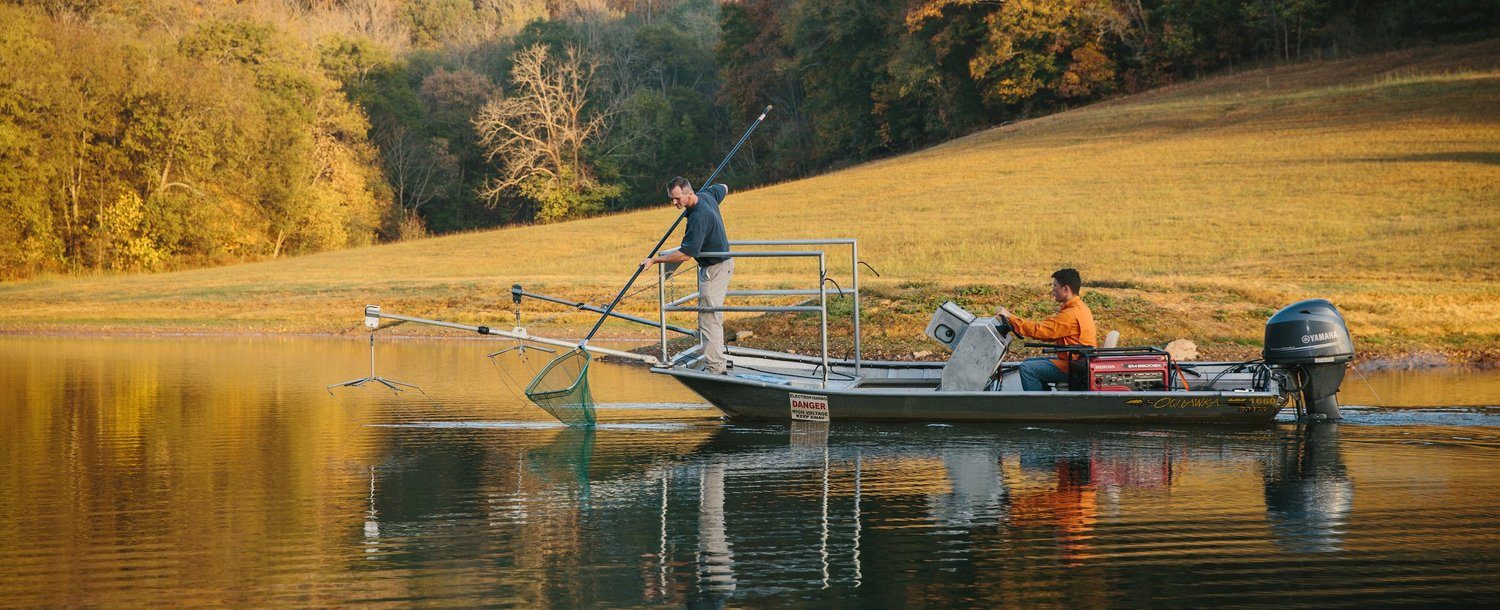
Electrofishing surveys
Fish weighed, measured and released; water tested; a 20 to 30 page plan.
StockStocking and genetics
Pure Florida bass, coppernose and hand-painted bluegill from our farm.
VegetationWeed control
Phosphorus abatement and targeted, label-directed herbicide work.
WaterLiming and fertilization
Alkalinity and pH set for fish and a thriving food chain.
OxygenAeration design
Vertex bottom-diffuser systems sized to the lake.
StructureDredging and deepening
Muck removal and shallow areas deepened with our own excavators.
4Results on big water
Lakes we manage, before and after
From our case studies. Fish caught on hook and line.
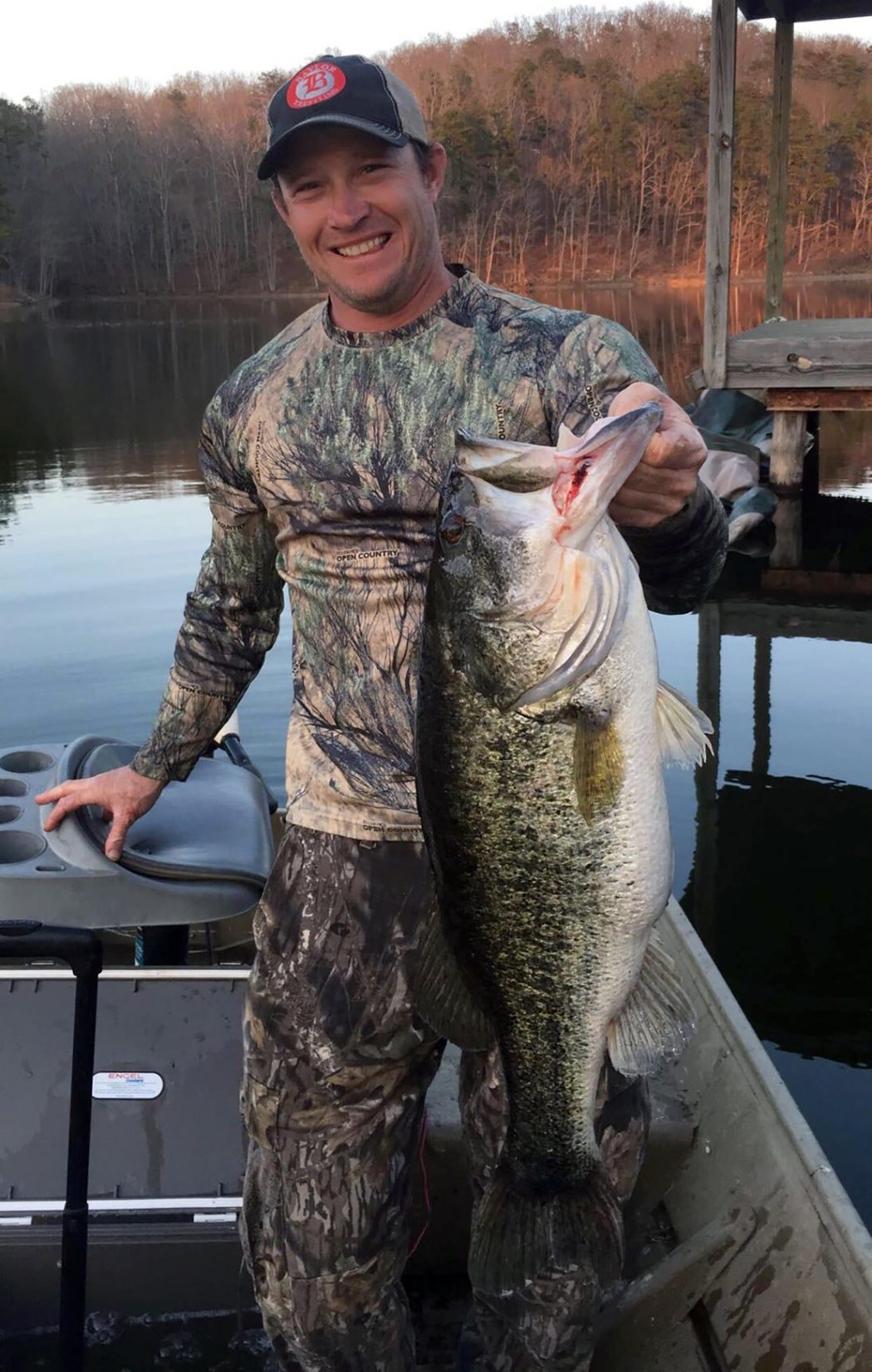
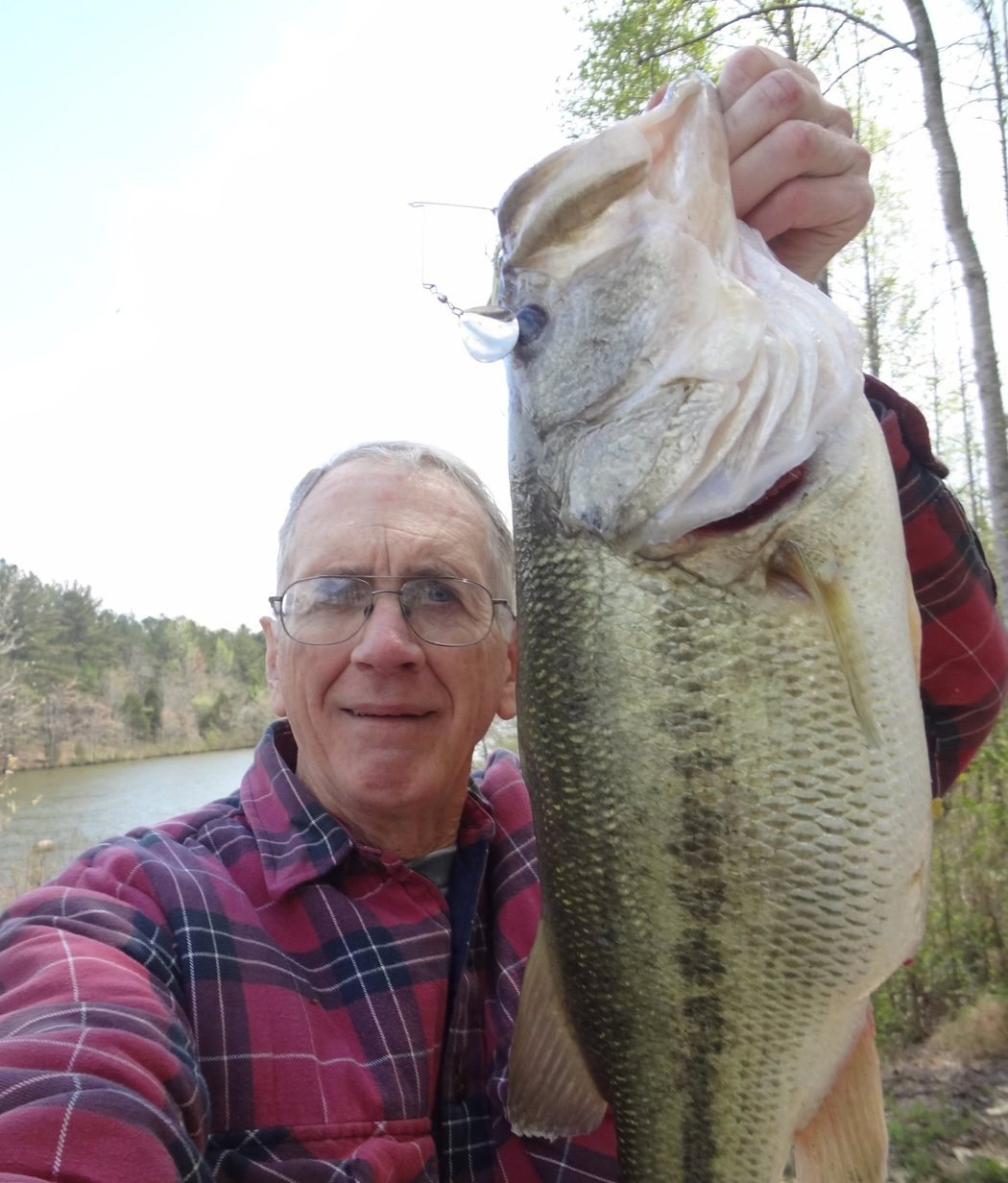
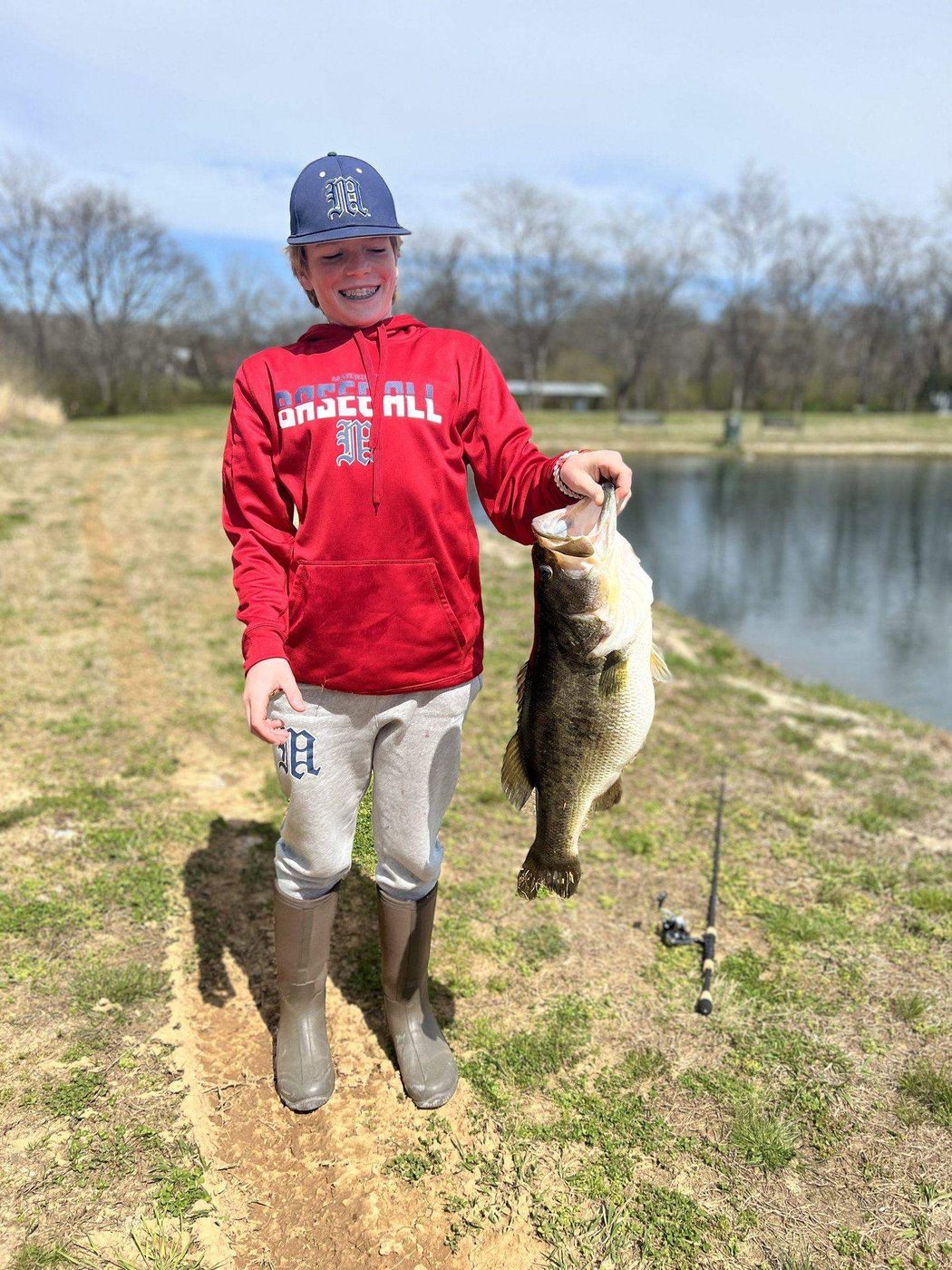
Whatever your goals are for a lake they can make it happen. They will also maximize the value you get no matter the size of your budget. … Everyone on our lake is happy with how well our lake has produced for the last three years.David Bell
Big water needs region‑specific knowledge
A biologist a year or three out of college has not seen the things that can go wrong on a lake. Walt Foreman has helped landowners with their ponds since 1987, and our biologists culture bass and bluegill every day on the farm, from spawning to feeding.
Questions
Questions about lake management
Call us and see what your lake can become when it is managed as trophy water.
What does a lake management plan include?
It starts with an electrofishing survey and water tests, then lays out every action in order: stocking or harvest, habitat, weed control, liming and fertilization, aeration, and structural work such as dredging or deepening shallow areas. Each plan is written for your lake and your goals, whether that is trophy bass, trophy bluegill, or a family fishery with an emphasis on fun.
How often should a lake be surveyed?
Often enough to see how the fish respond to what you changed. For most lakes that means a survey every year or two; owners chasing trophy goals sometimes survey more often. We set the timing in the plan.
Can a large private lake really grow trophy bass and bluegill?
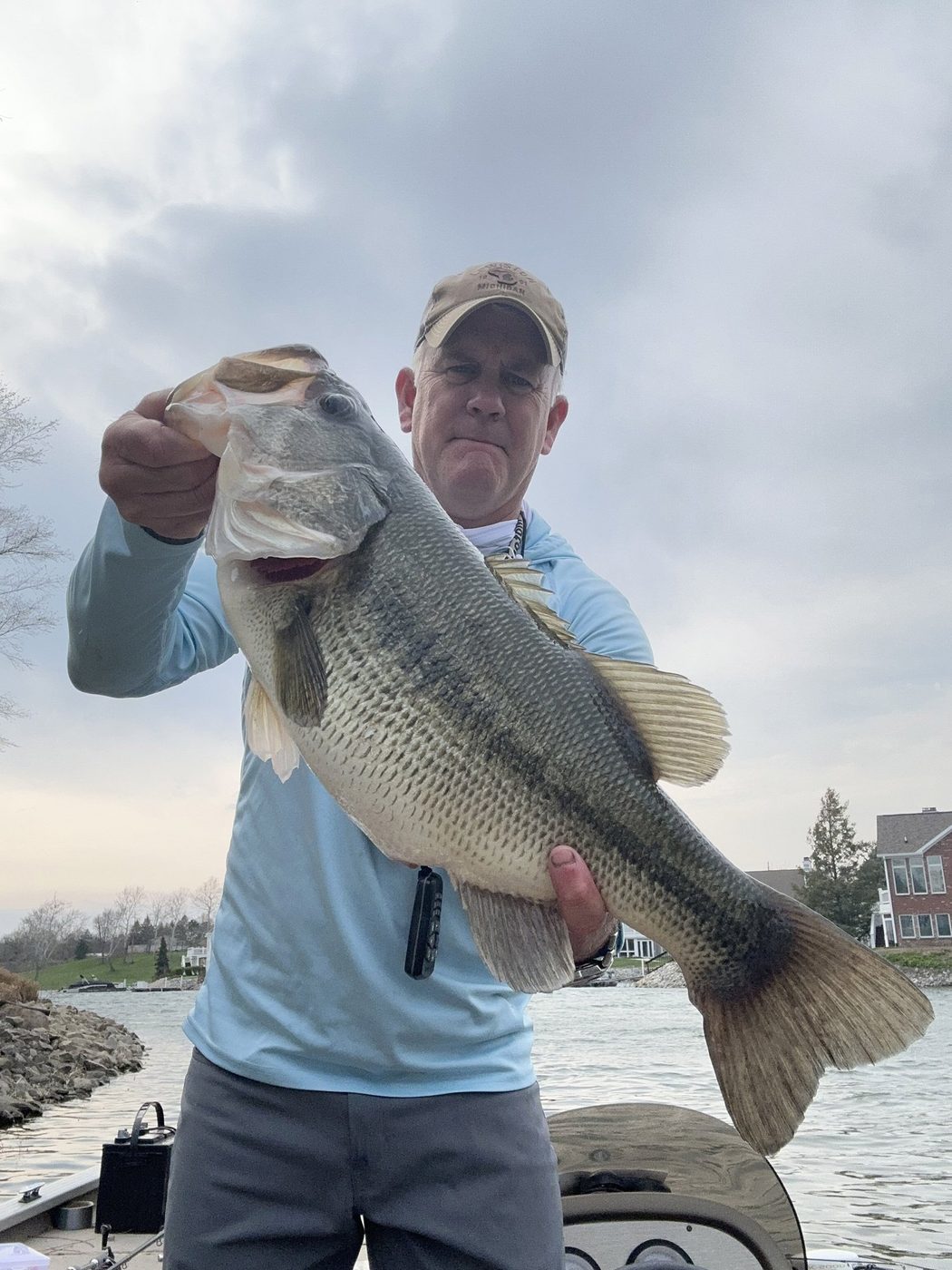
Yes, when it is managed as trophy water. On a 56‑acre lake in middle Tennessee where the biggest bass had been six pounds, two anglers caught thirteen bass from four to nine pounds in two half days three years later. A lake on the Cumberland Plateau at 2,000 feet produced an 11.5‑pound bass.
Will weed control hurt my fish?
It can, which is why we plan for control, not obliteration. Aquatic plants are habitat for fish. We find what is feeding the weed growth and treat the cause, and when herbicides are used they are applied by a certified commercial applicator, by the label. Tennessee's pond guide advises treating a quarter to a third of a pond at a time, 7 to 10 days apart, to protect oxygen.
Can you deepen shallow areas or dredge?
Yes. Most lake management companies have no capability for structural work and refer it out. We have our own heavy equipment division and operators, and we dredge with conventional excavators, which is many times more cost-effective than suction dredging for a real cleanout.
Why is my lake muddy?
Usually runoff and erosion, cattle in the water, or bottom-rooting fish such as carp. Fix the source first. Agricultural lime can clear clay turbidity and is part of our liming work; Alabama Extension also lists gypsum and alum, with alum carrying a risk of oxygen depletion.
Own a lake of ten acres or more?
Call us and see what it can become when it is managed as trophy water.
Or call (931) 374-0536