Trophy Pond in Kentucky
Lake and pond construction in Kentucky
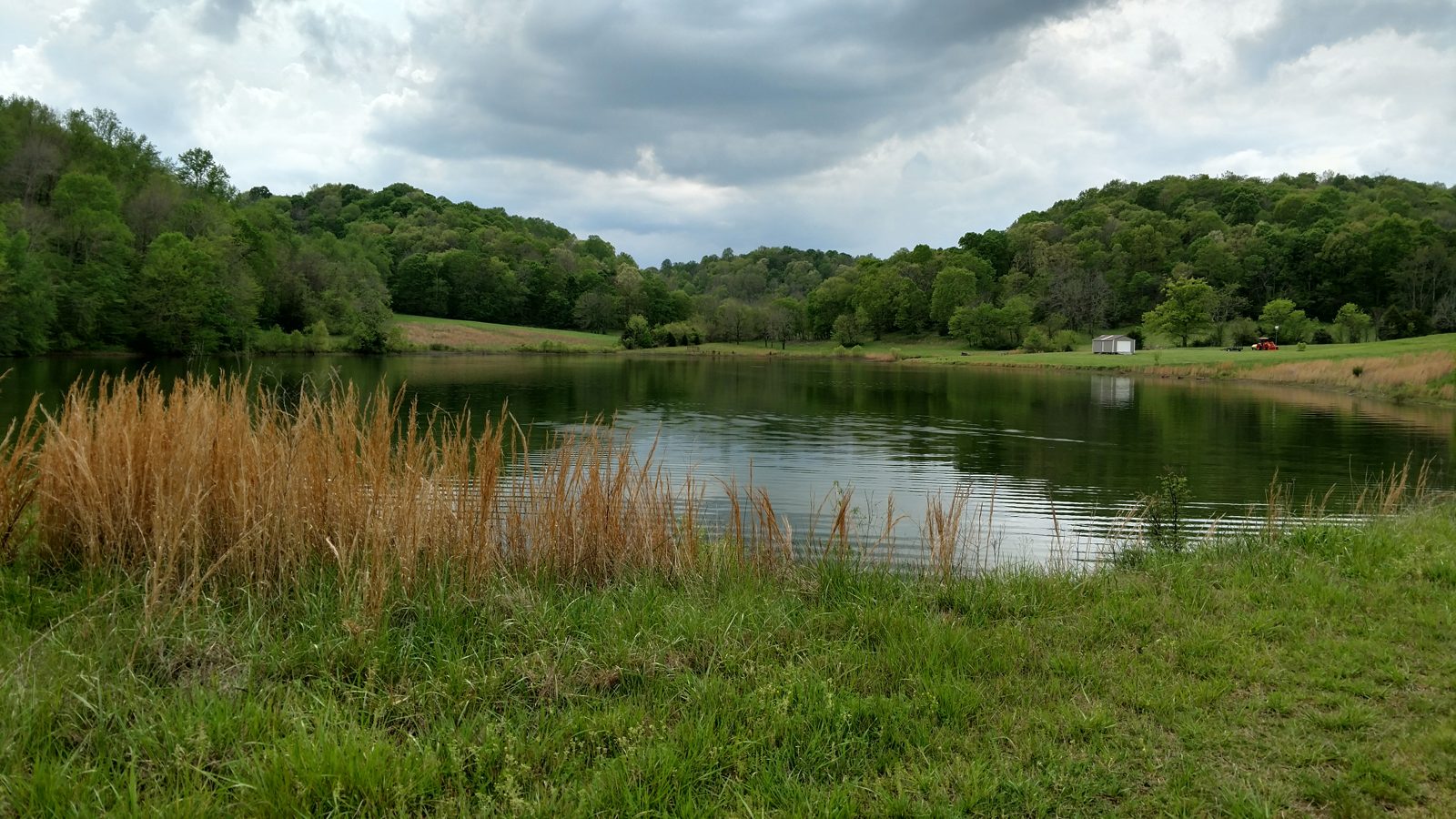
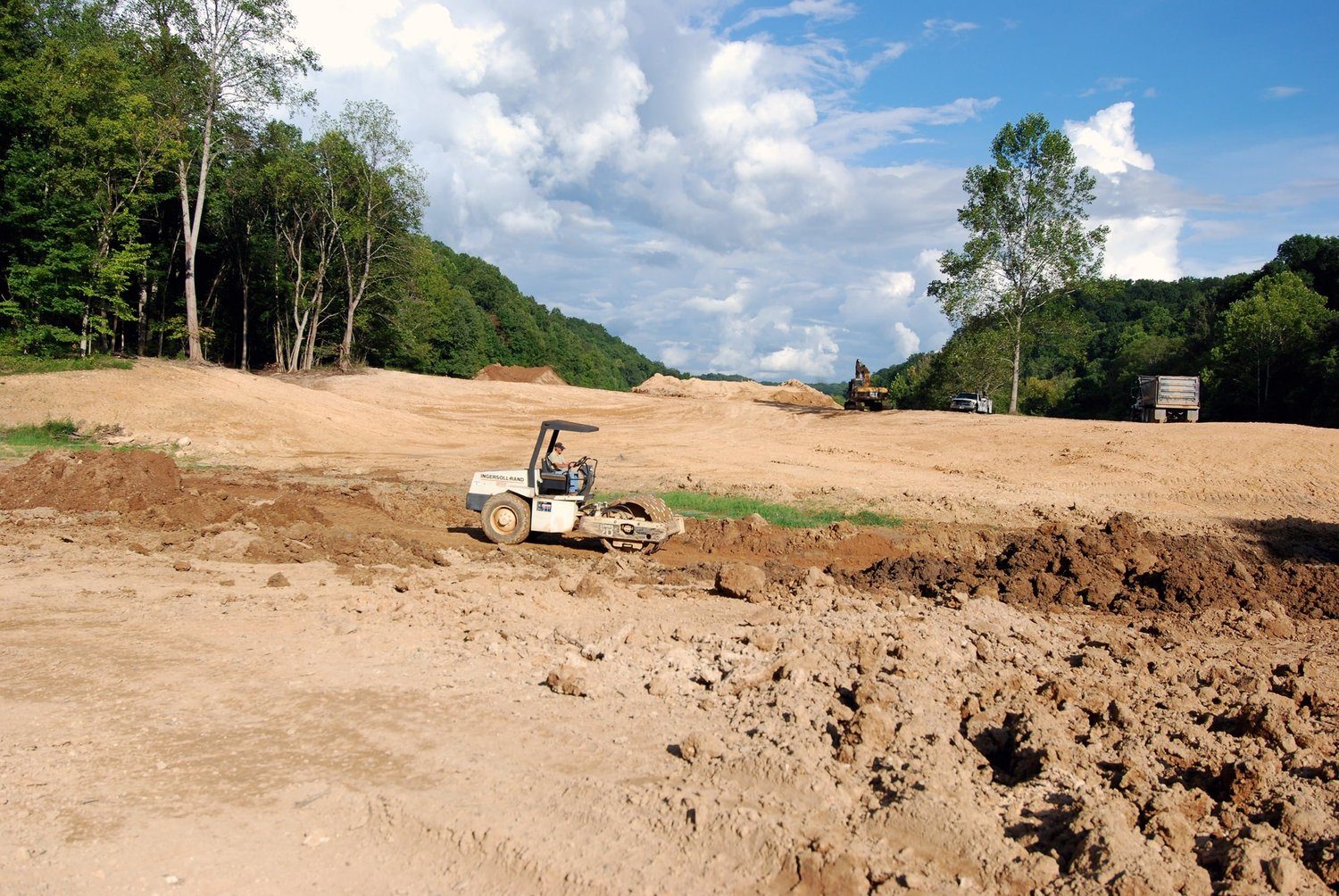
Depth, basin shape and compaction decide how a Kentucky pond performs for decades. We build lakes and ponds that are easier to manage and able to grow quality fish.
1Building in Kentucky
Kentucky's construction standards, point by point
Kentucky State University's construction guide starts where every good pond starts: soils with 20 to 25 percent clay for dams and spillways, and one to two acres of watershed for each acre-foot of pond.
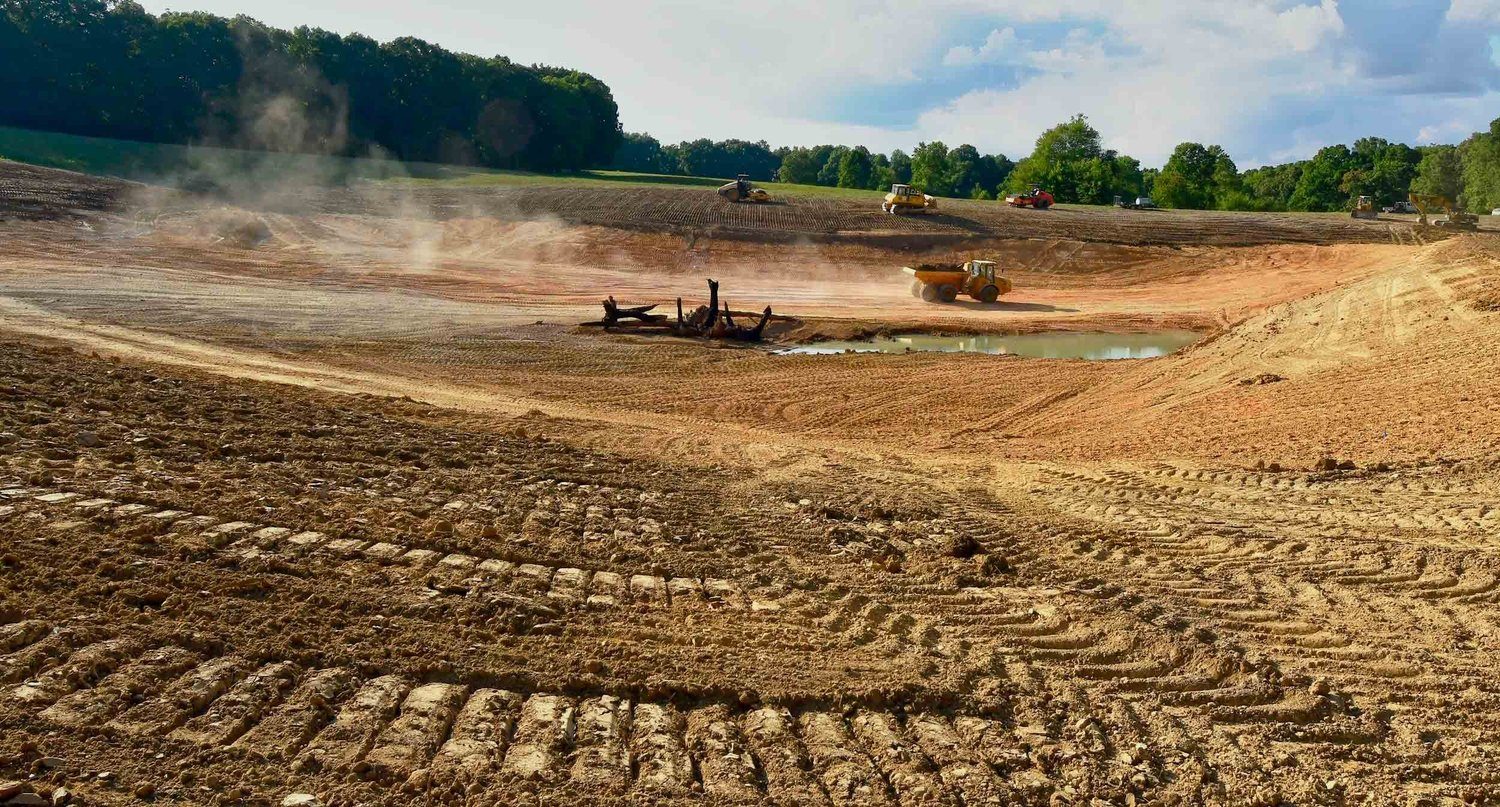
From there we build to our own standard: every step needed to minimize the chance of a leak, many of which most excavation contractors do not know, and depth and bottom contours drawn for the fish the pond will hold.
2Lake design
A lake drawn for the fish it will hold
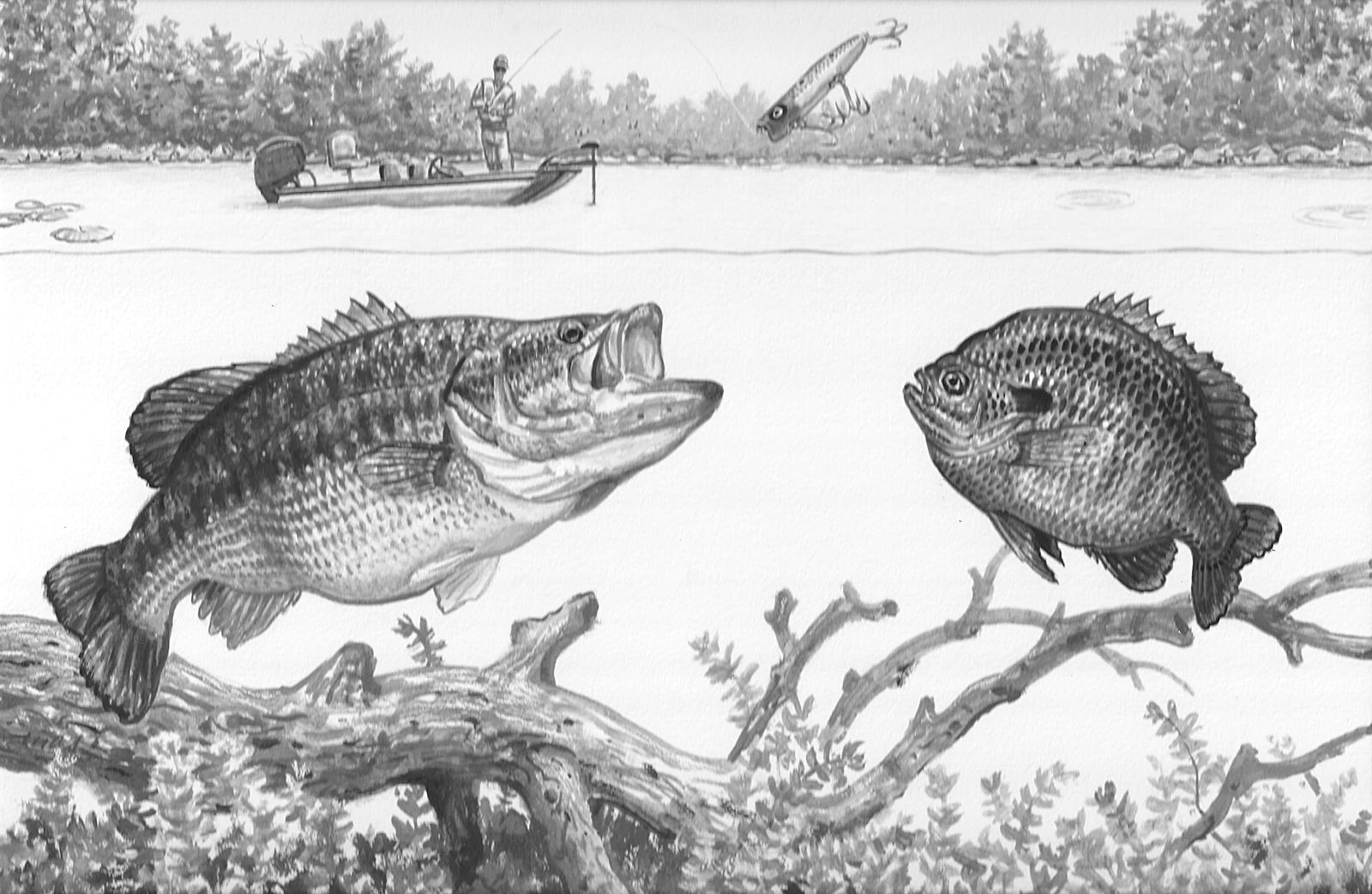
Depth and bottom contours drawn for the fish you want, and every step needed to keep the water in, planned before the first tree comes down. Walt Foreman knows things about both that other contractors do not.
3Permits
Kentucky approvals to check
| Where | What can apply |
|---|---|
| Kentucky | The Division of Water Dam Safety Program defines a dam as 25 feet or more in height or 50 acre-feet or more of storage, and building or changing one requires a permit. |
| Every state | Section 404 of the Clean Water Act covers filling streams and wetlands. Farm and stock ponds are on the EPA exemption list, with exceptions, and the U.S. Army Corps of Engineers decides whether a site is a regulated water. Nobody should tell you your lake is exempt before that check. |
Questions
Building in Kentucky: questions
How much clay does a Kentucky dam need?
Kentucky State University's guide calls for soils with 20 to 25 percent clay for dams and spillways. We check the soil on your site before anything is designed.
Does a Kentucky dam need a permit?
Kentucky defines a dam as 25 feet or more in height or 50 acre-feet or more of storage, and building or changing one requires a permit from the Division of Water.
Planning a lake or pond in Kentucky?
Tell us the acreage and what you want to catch in five years.
Or call (931) 374-0536