
Weed control
Pond and lake weed control across the Southeast
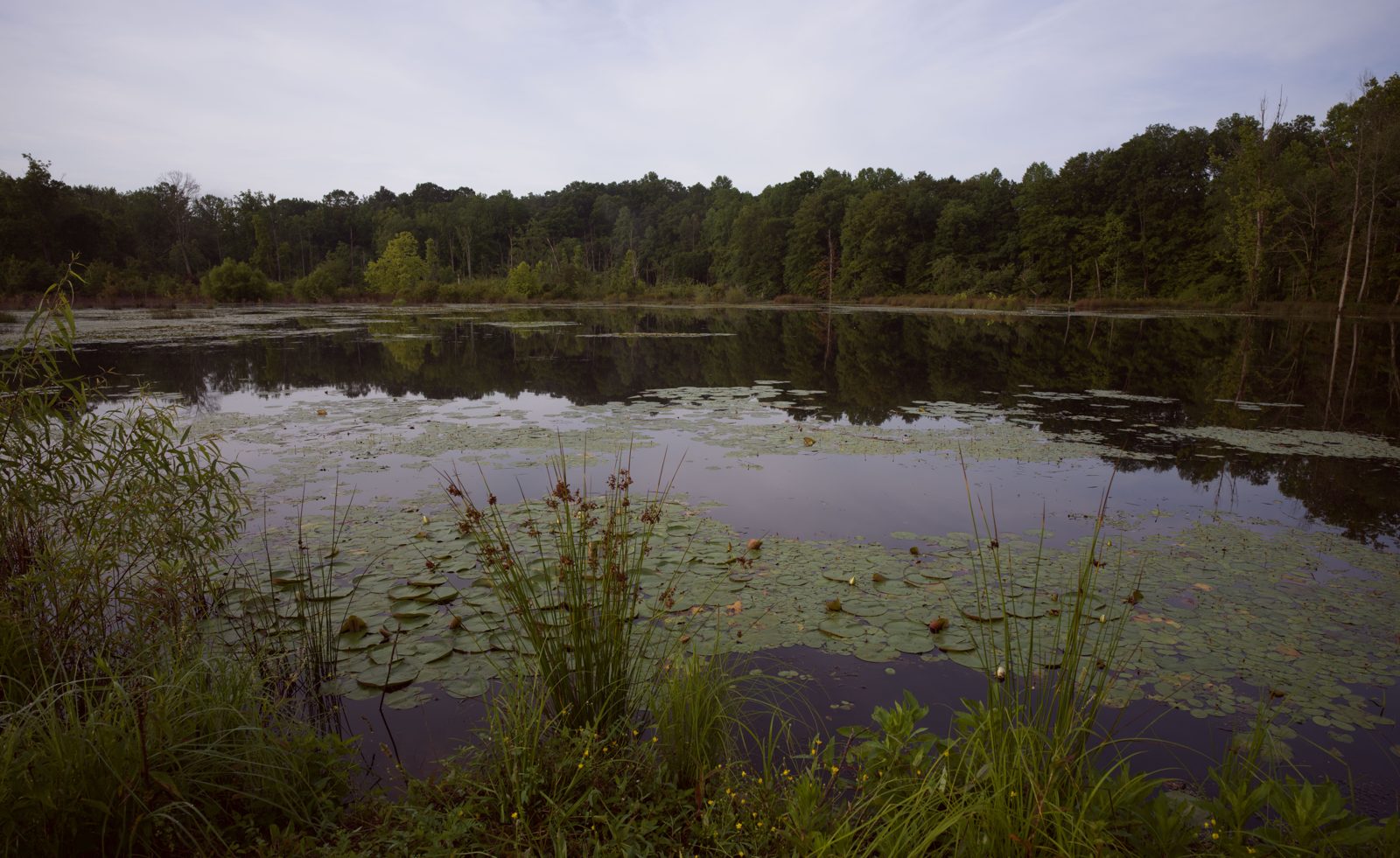
Have weeds stolen your lake from you? We are a certified commercial applicator for aquatic herbicides, and we treat the cause so the same weeds do not return in a few months.
1Two kinds of ponds
Fish ponds and view ponds need different weed plans
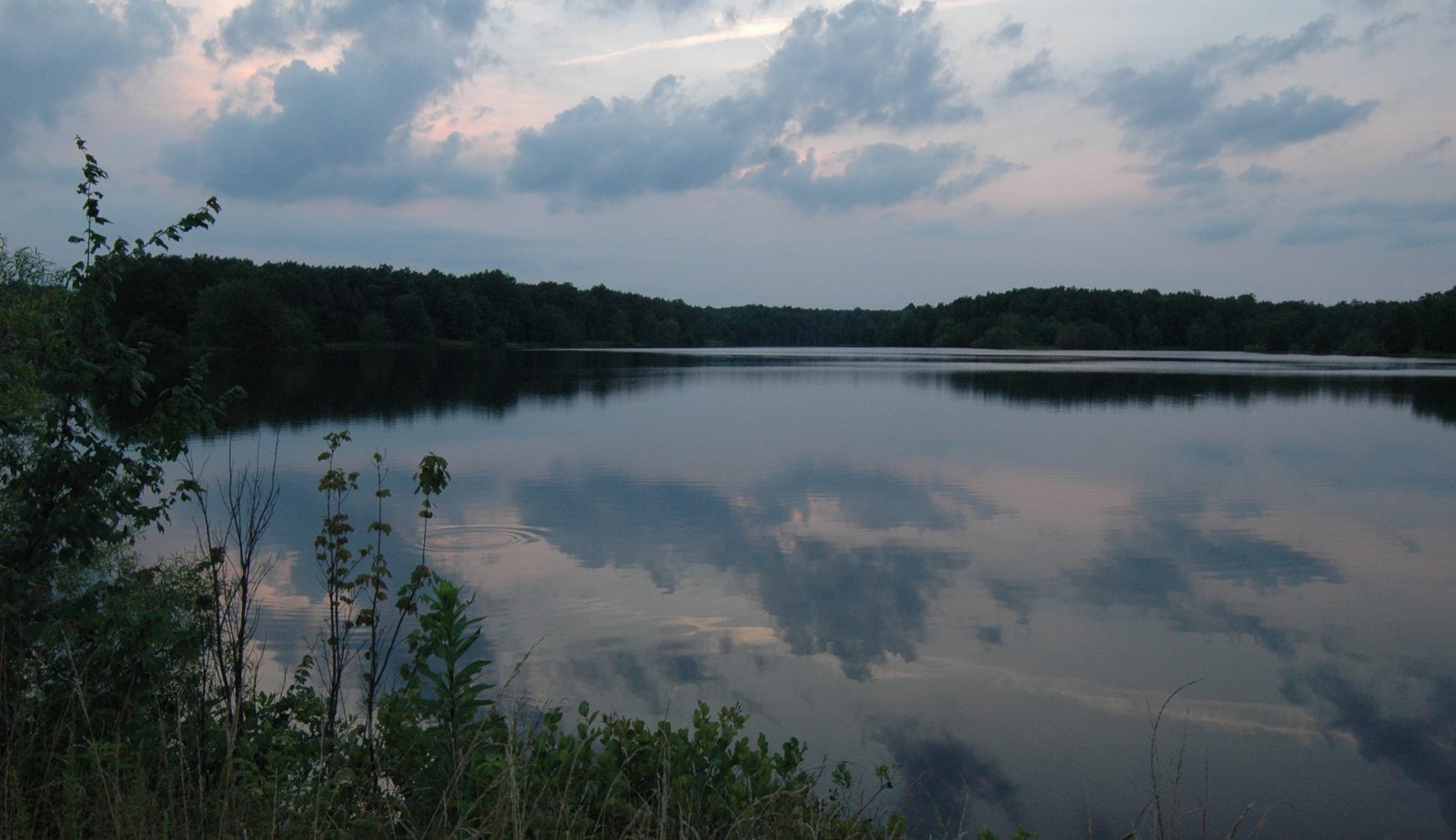
For some owners the pond is mainly a view, and any weed growth is unwelcome. Those ponds get regular visits and a range of methods matched to depth, water quality and outflow.
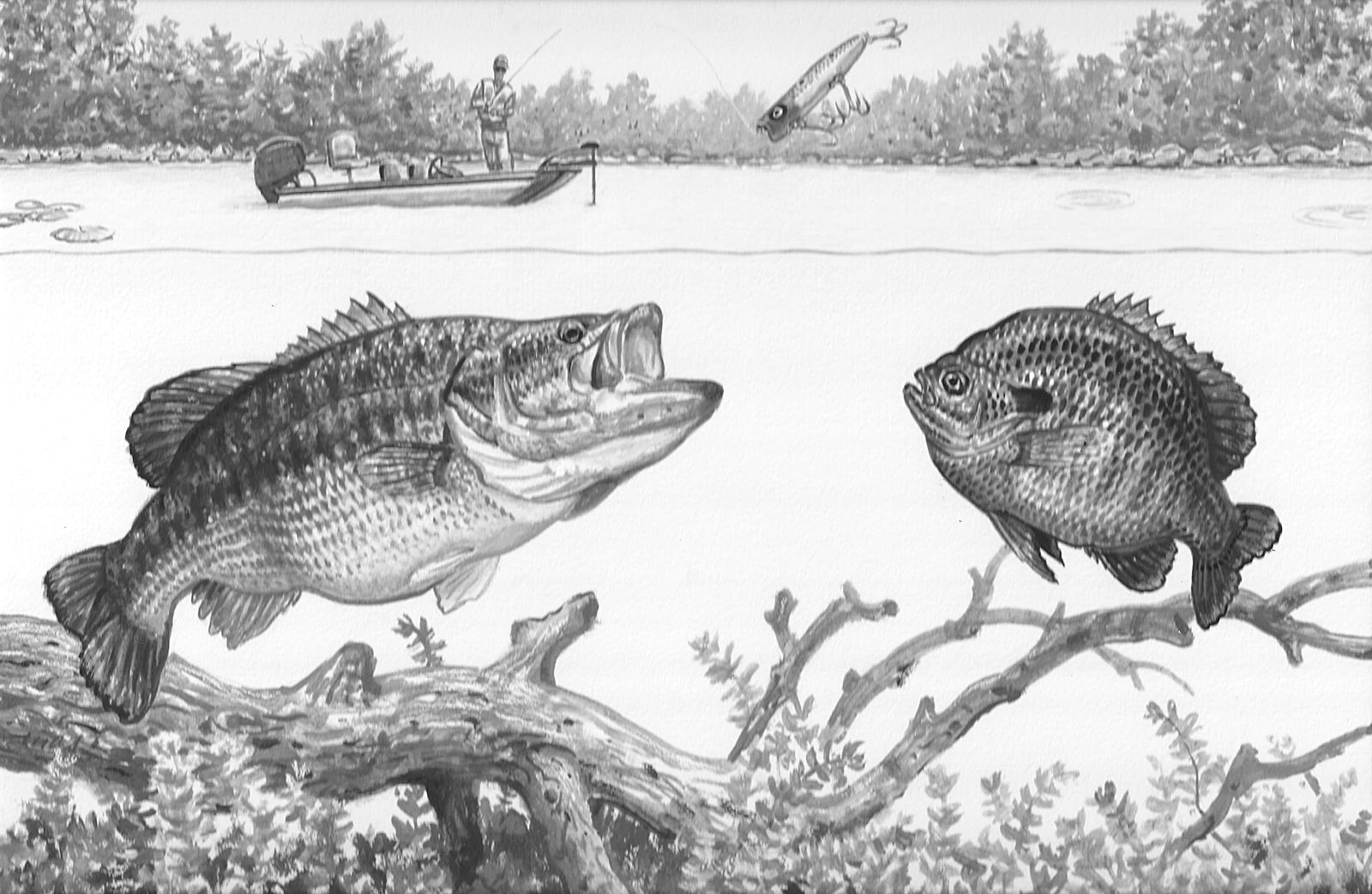
Ponds where fishing matters are a world apart. Many weed control methods common in the industry harm fish, and the damage is not always a floating fish kill the next morning. Some plants help a pond, improving water quality and growing bigger, healthier fish; others can kill every fish in it if left alone. We identify what is there, find the conditions that let it thrive, and fix those.
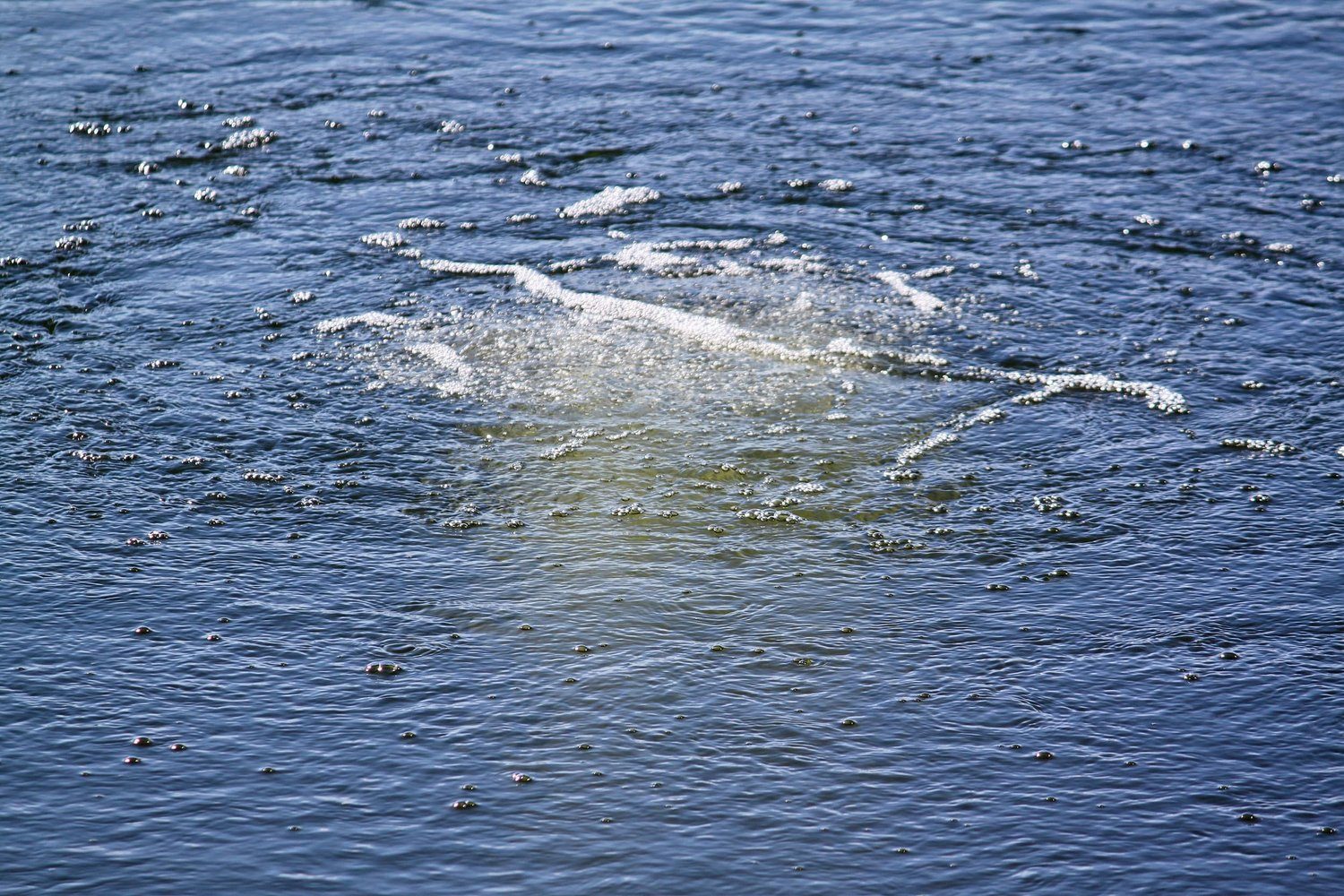
Bottom-diffuser aeration is one of the strongest long-term tools: it circulates the water, ends summer stratification, and lets beneficial bacteria consume the muck that feeds weeds.
2Control, not obliteration
Weed control that keeps fish habitat
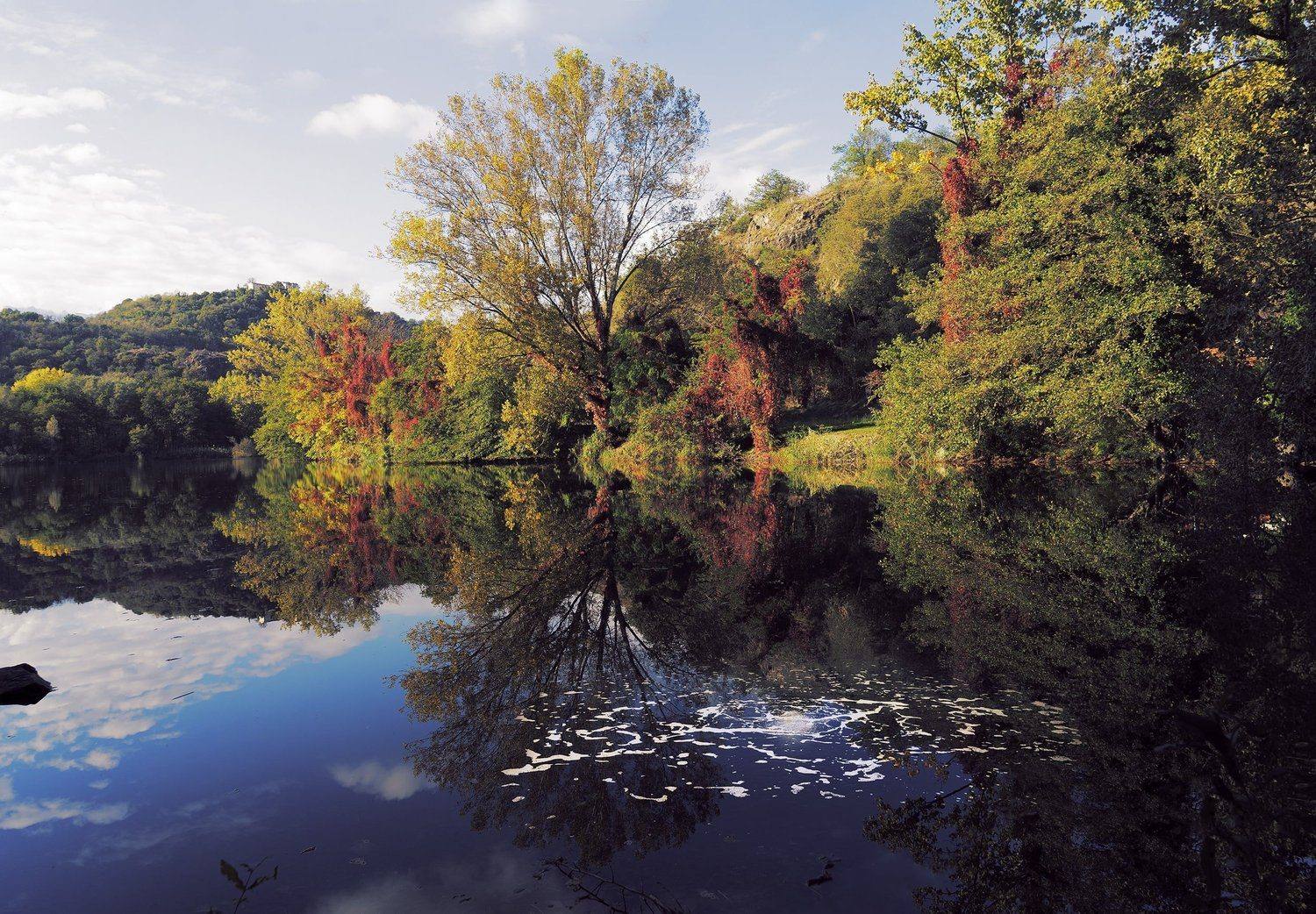
If you kill every last plant in your lake, your fish will be puny. If swimming and boating come first, you may want the water clear of weeds; if fish come first, the plan targets control. Either way, it is written for your pond, not copied from the last one.
Questions
Weed control questions
Are grass carp legal?
In Tennessee, Georgia and Kentucky, only sterile triploid grass carp may be stocked. Alabama's rules differ. Each state page covers the rule for that state.
How do you keep weed treatments from killing fish?
By treating the cause, matching the method to the pond, and following the product label, which federal law requires (EPA). Tennessee's pond guide advises treating a quarter to a third of a pond at a time, 7 to 10 days apart, because decaying plants use up oxygen.
Can aeration reduce weeds?
Over time, yes. Bottom-diffuser aeration lets bacteria reach and consume the phosphorus-rich muck that feeds plant growth. Many of our customers have seen weed problems shrink or disappear with it.
Weeds taking over?
Send a photo and tell us how you use the pond.
Or call (931) 374-0536