
Trophy Pond in Mississippi
Lake management in Mississippi
Bigger water brings bigger decisions. We help Mississippi lake owners with fish populations, habitat and water quality, starting with a survey of what is in the lake now.
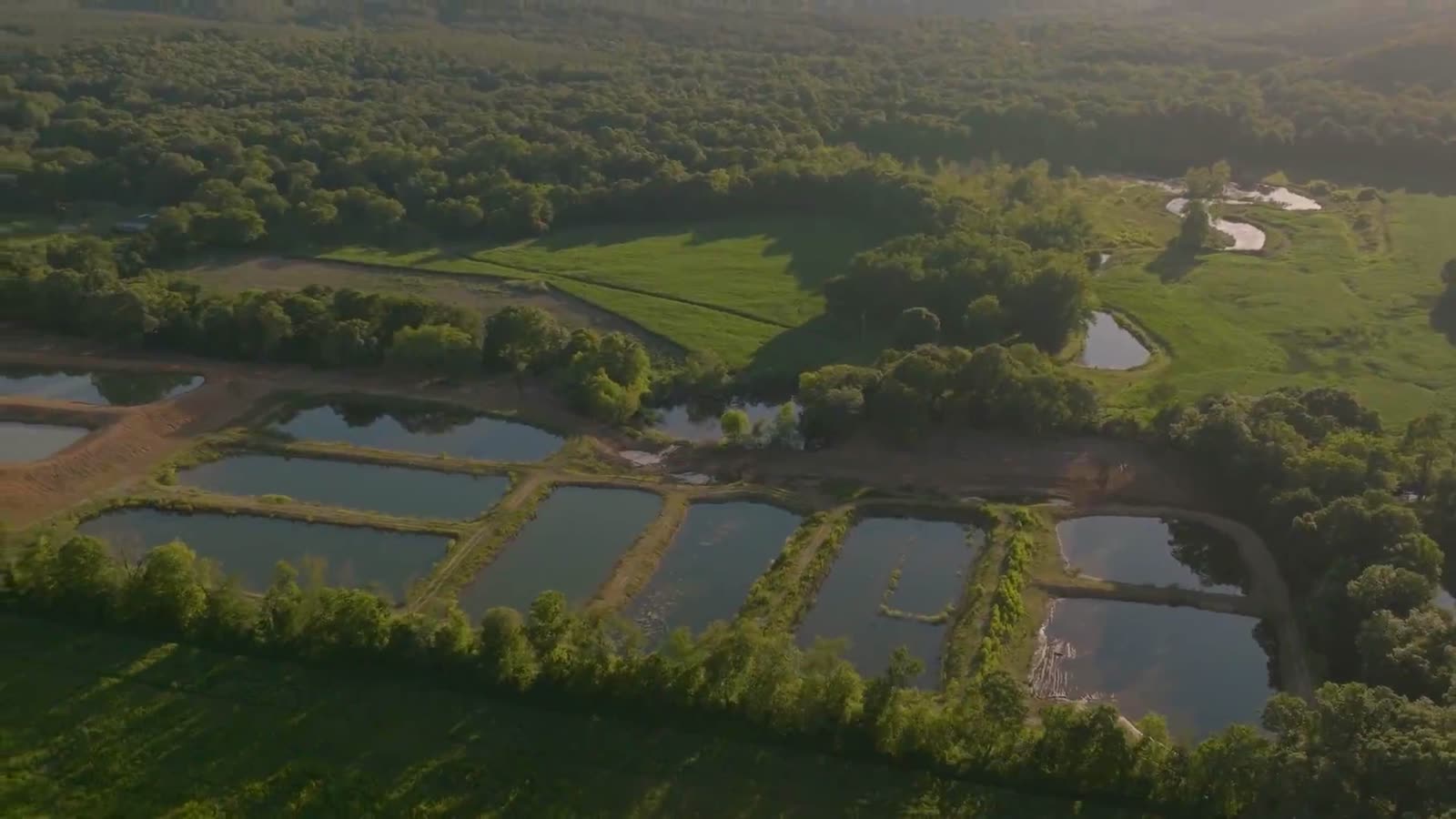
1On Mississippi water
Mississippi water and MSU Extension's numbers
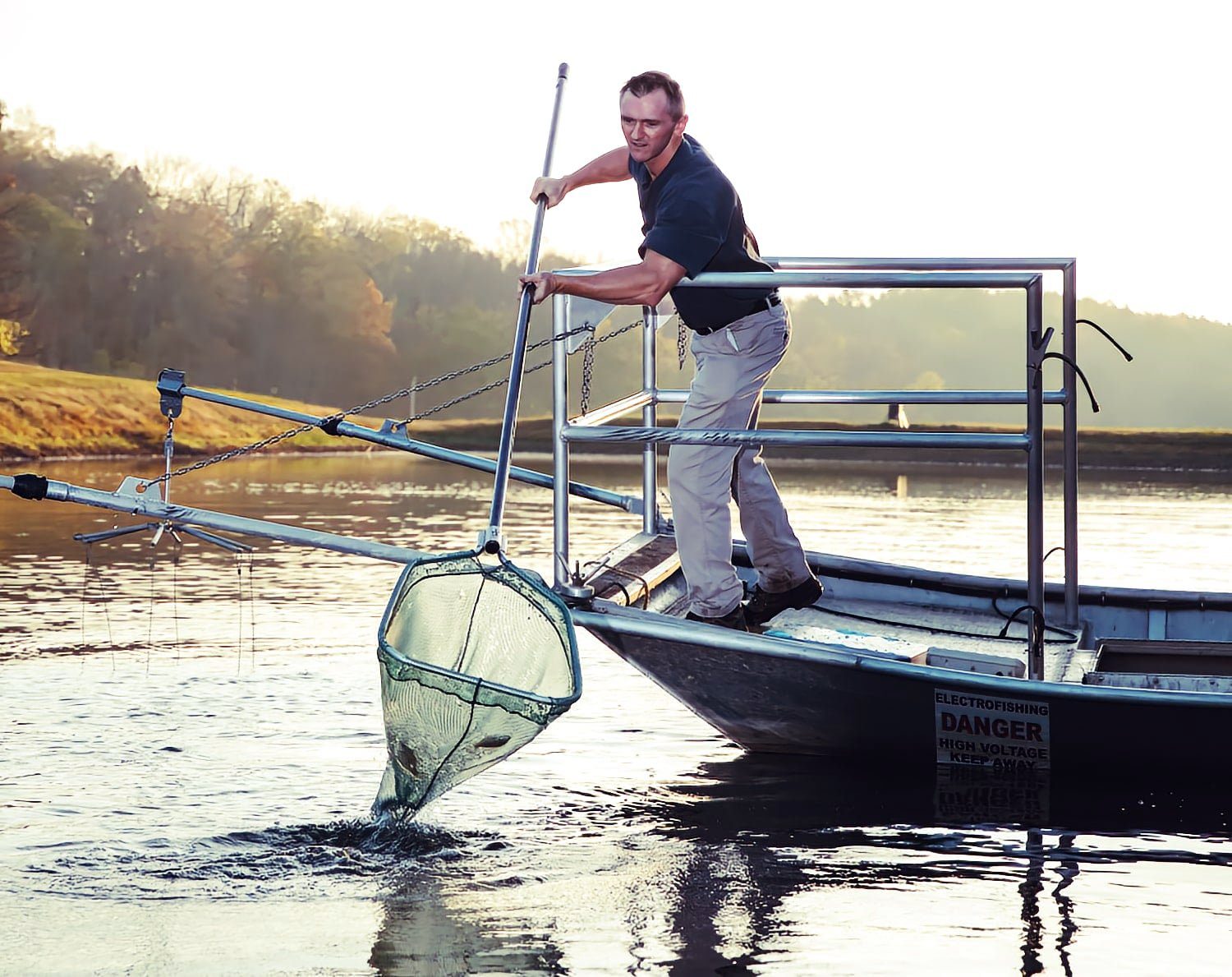
Every Mississippi plan starts with an electrofishing survey: fish weighed, measured and released; pH, alkalinity, dissolved oxygen and visibility tested; the dam, watershed and spillway inspected.
Mississippi State University Extension asks for alkalinity of at least 20 ppm and liming in fall or winter, at least two months before the growing season (MSU Extension). The red clay hills of north and central Mississippi typically need about two tons of lime per acre, the sandy soils of south Mississippi two to three, and the Delta generally none. We lime by barge, based on the water test.
The plan can draw on surveys, stocking from our farm, weed control, liming by barge, aeration and dredging with our own excavators.
Questions
Lake management in Mississippi: questions
How much lime does a Mississippi lake need?
It depends on the soil. Mississippi State University Extension puts the red clay hills of north and central Mississippi at about two tons per acre, south Mississippi's sandy soils at two to three, and the Delta at generally none, aiming for alkalinity of at least 20 ppm.
Florida bass or largemouth in a Mississippi lake?
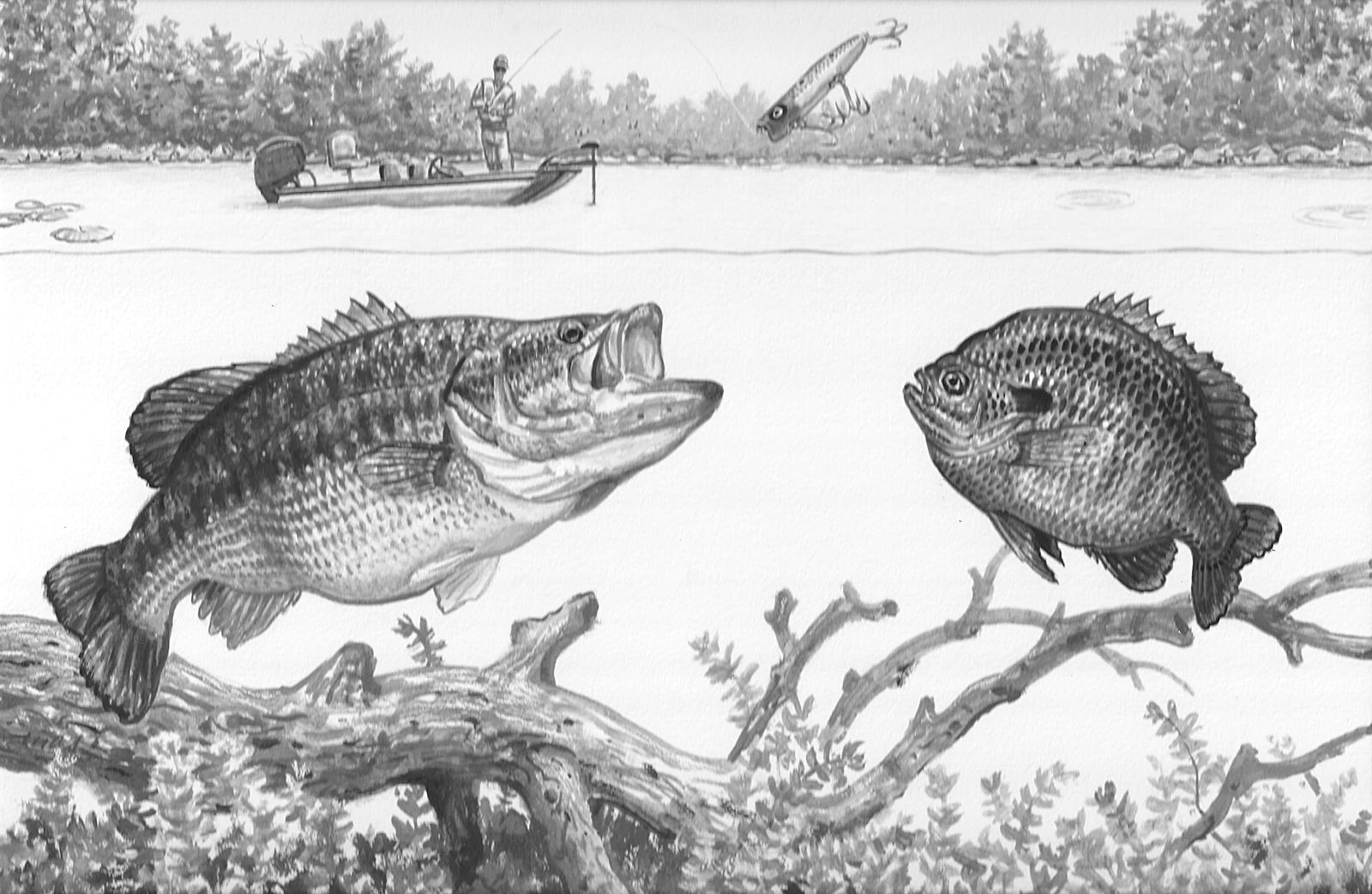
Mississippi State University Extension says both are acceptable but should not be mixed. We raise pure Florida bass, and the survey tells us what fits your lake.
Ready for a survey?
Tell us about your Mississippi lake and what you want to catch.
Or call (931) 374-0536