
Lake construction · Tennessee and five neighboring states
Lake construction for private trophy lakes in the Southeast
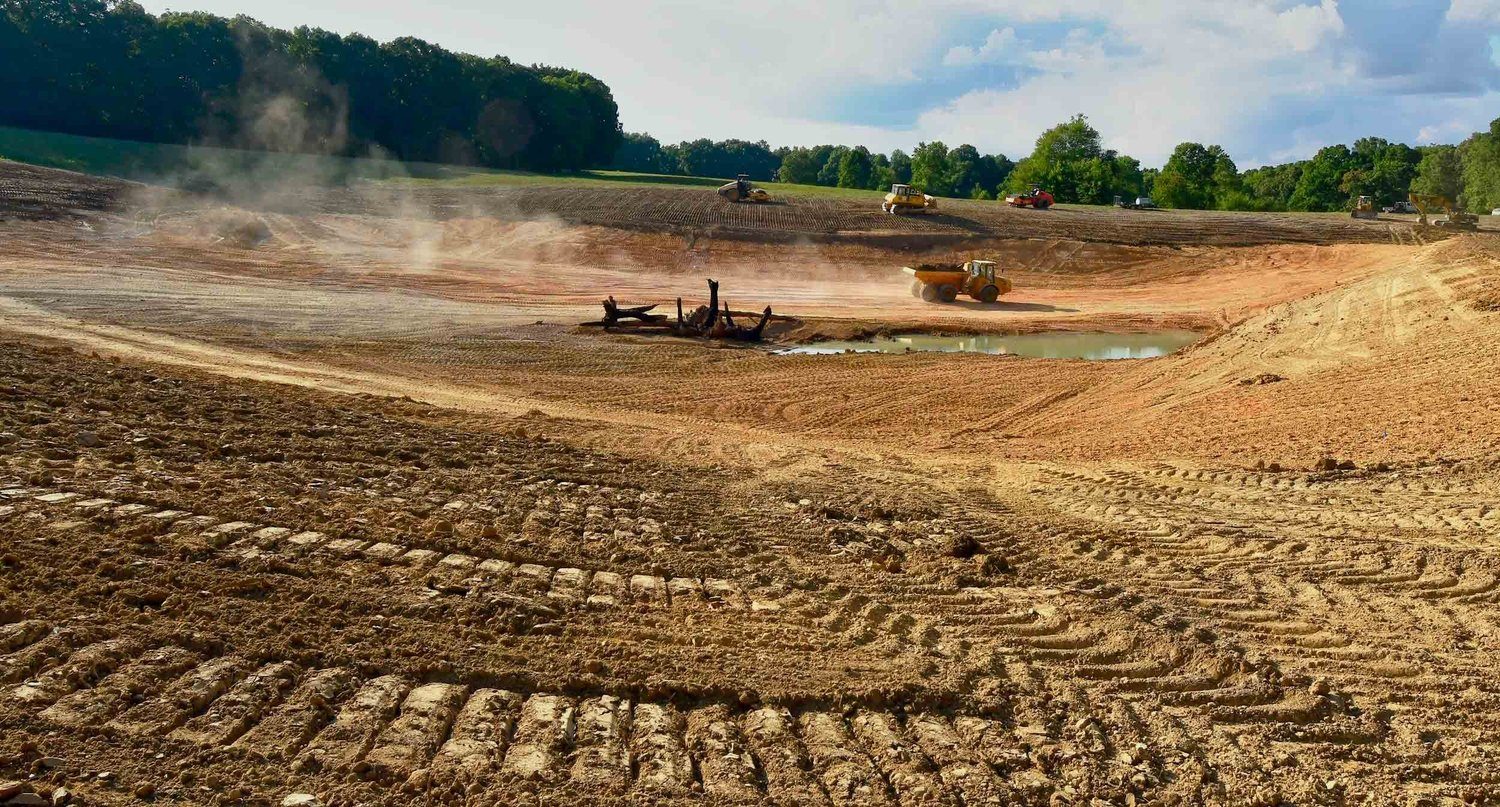
We design and build private lakes, with projects from ten to a hundred acres and more, with a licensed general contractor, heavy excavation endorsement included, and a degreed fisheries biologist in the same person.
1Why the builder matters
The builder decides what the lake can become
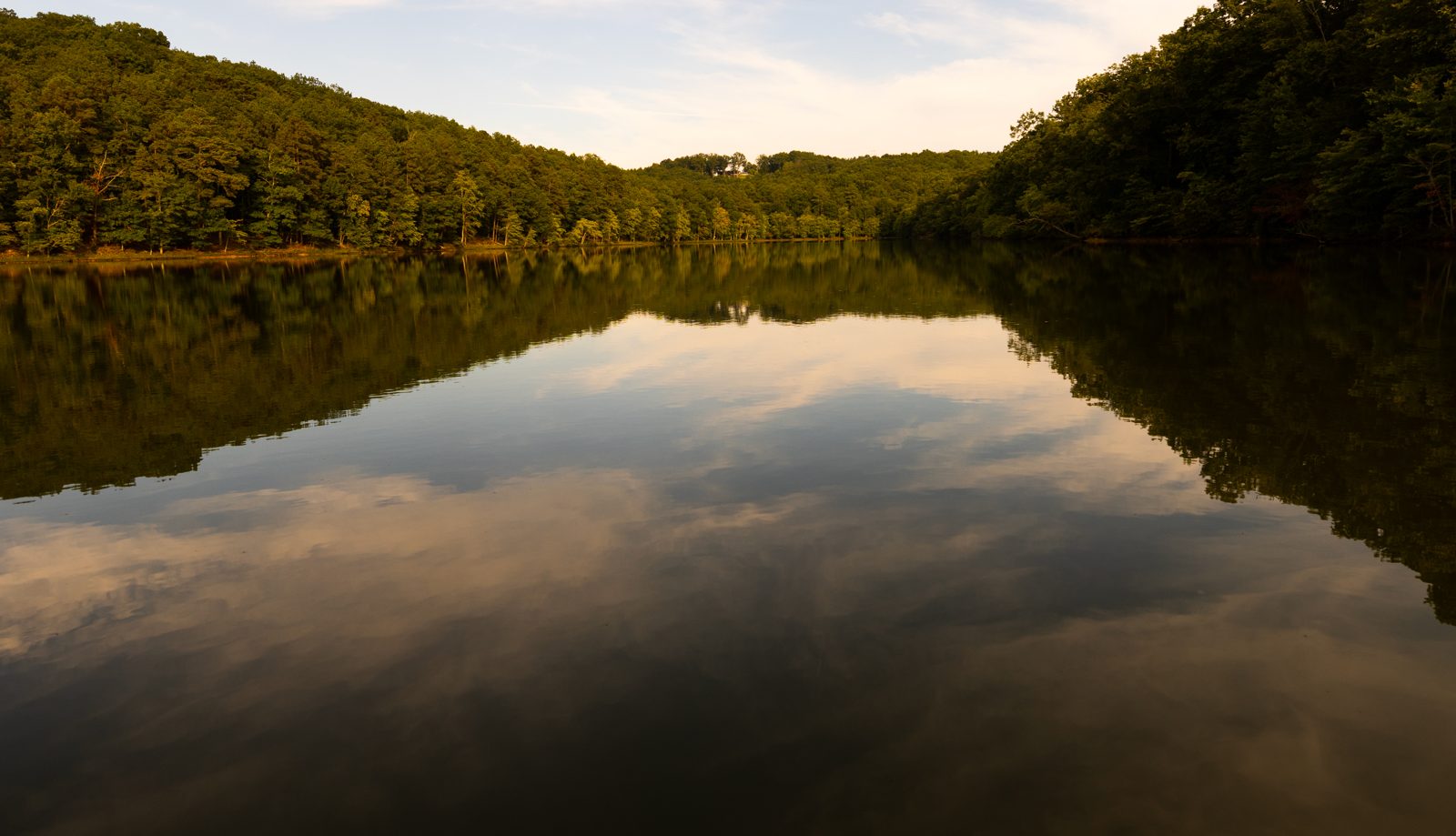
Not everyone has the resources to build a lake. If you are building one, the most important step is hiring the right person to build it, because every management decision for the life of that lake will only ripple against the impact of who dug it.
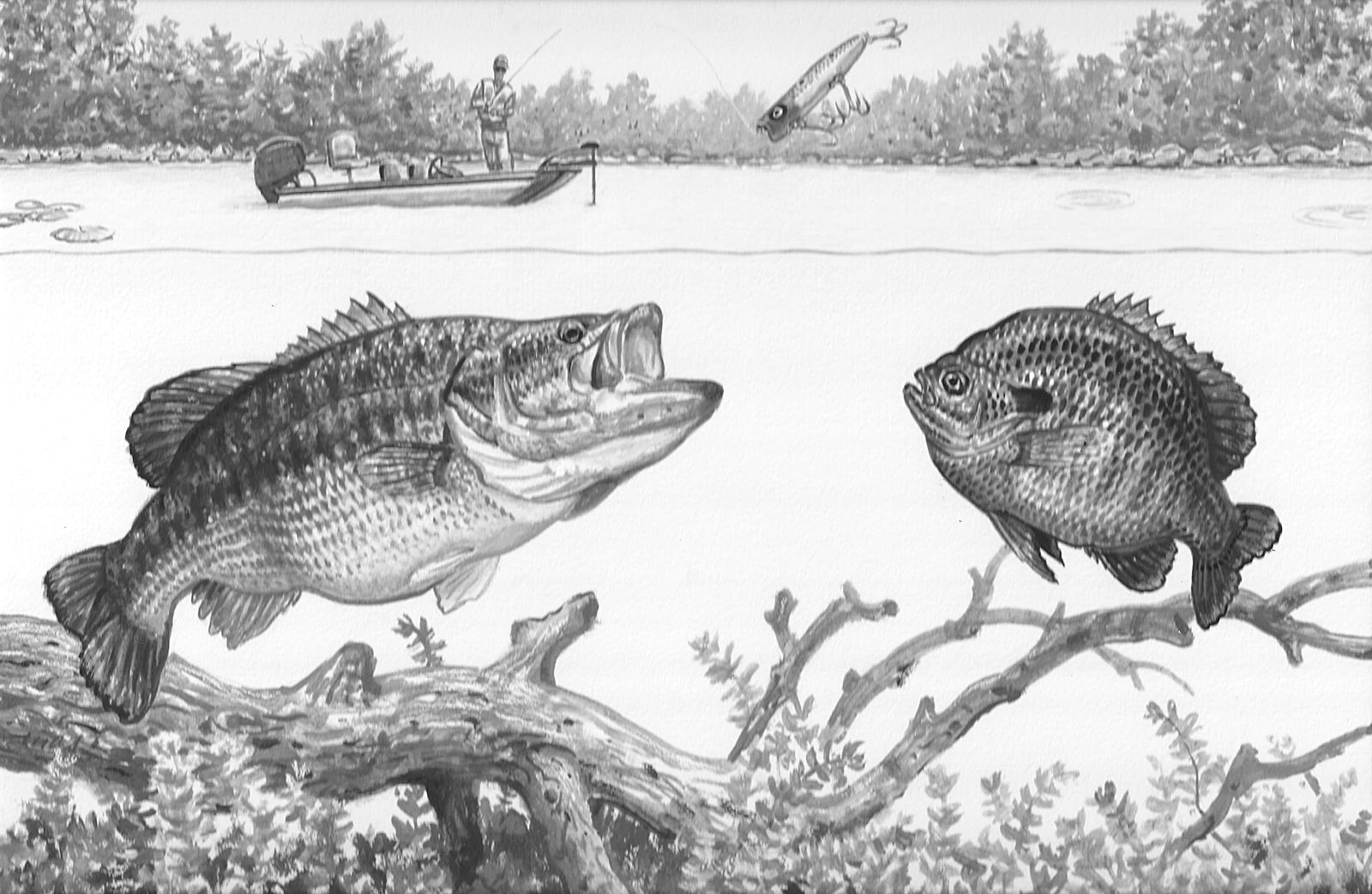
A lake built with a working knowledge of bass and bluegill biology magnifies every management action you take on it. On a well-built lake, one good action can pay off for years. A poorly built lake can absorb a management action in weeks or months, and it takes many times the spending to move it at all.
The defects we see most in larger lakes dug without fish knowledge are not leaks. They are design defects: depths and bottom contours that do nothing for the fish, no structure, shorelines that slump. A dam built by the wrong person can leak, too. We have worked the fisheries side of lakes where a dam built for twenty acres holds five, the waterline thirty feet below the top of the dam, its face grown over in grass.
2Lake design
Depth, structure and water control, planned together
Depth, bottom contours, structure and shoreline are drawn for the species you want and how you will use the water, before the first tree comes down. How we draw them comes from decades of growing big fish in private water, and those details stay with our clients.
3How a lake gets built
Six steps from raw land to a stocked lake
Each step answers a question that decides whether the lake fills, holds water and grows big fish.
Site and watershed
We walk the land, the runoff and the water sources. The watershed has to fill the basin you want; Tennessee's guide gives 5 to 15 acres of drainage per surface acre.
Soils
Clay holds water and sand does not. USDA guidance calls for three or four borings per acre where soils are uniform, and limestone ground needs a closer look.
Design for the fishery
Depth, bottom contours, deep water and cover are set for trophy bass, trophy bluegill or both, along with access for boats, docks and the lime barge.
The dam
Every step needed to minimize the chance of a leak, including steps most excavation contractors do not know, plus a drain and a spillway sized for the storms the watershed will send.
Approvals
Larger dams and work in streams or wetlands can need state or federal approval. We explain what is likely for your site before construction begins.
Fill, stock, manage
Stocking comes from our own farm in a planned order, and the lake moves straight into management with the people who built it.
4Built to hold water
The build decides whether a lake holds water
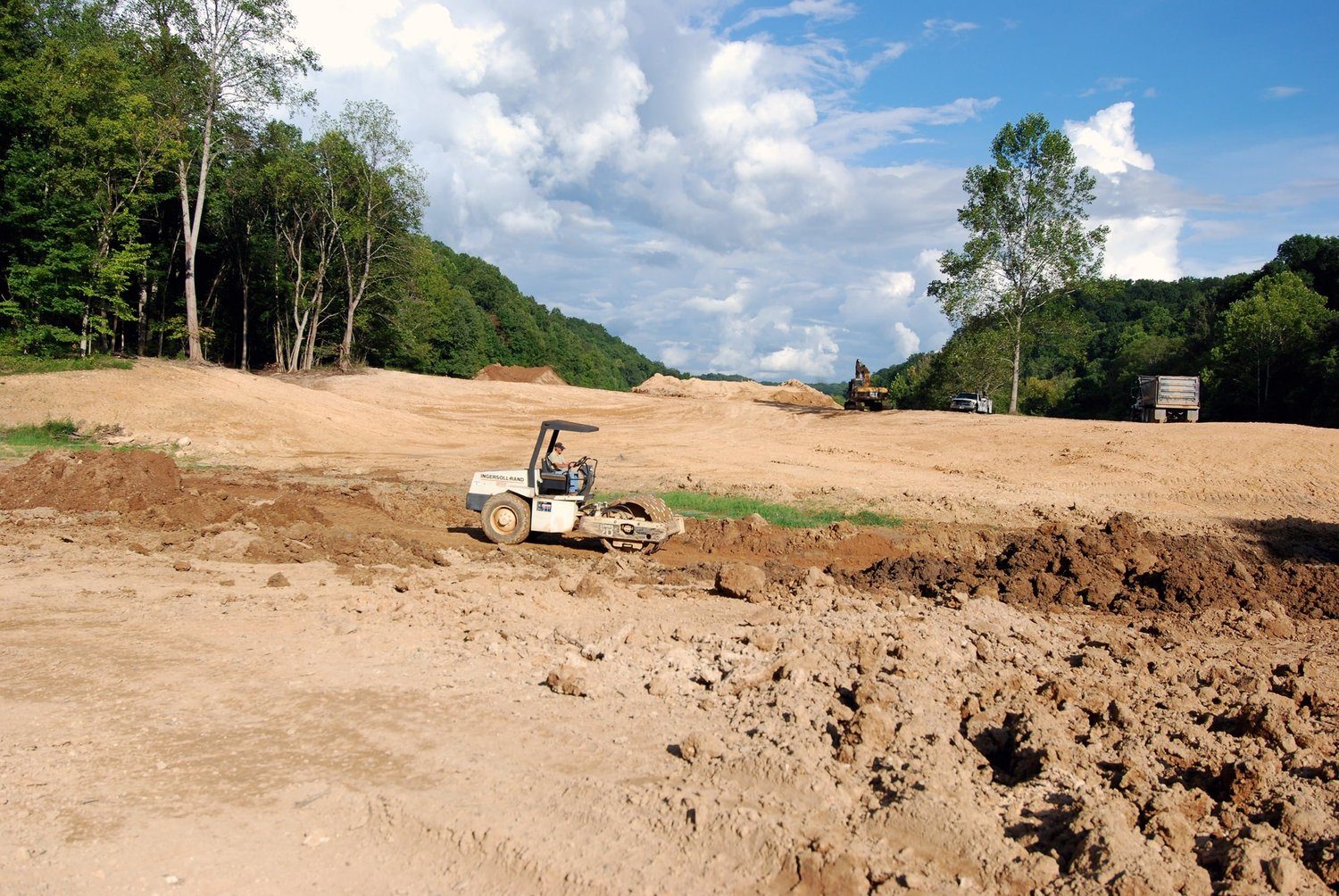
We take every step needed to minimize the chance of a leak. Most general excavation contractors do not know all of those steps, and it shows in the leaking ponds and lakes we are called to repair.
5Permits
What approvals a private lake can need
Sometimes none, sometimes several. It turns on dam height, storage, streams and wetlands. This is general information, not legal advice; the agencies make the final call.
| Where | What can apply |
|---|---|
| Tennessee | The Safe Dams Act covers dams at least 20 feet high or holding at least 30 acre-feet. Farm ponds used only by the owner, family and invited guests can be exempt; TDEC makes that call. Work in a stream or wetland can need an Aquatic Resource Alteration Permit. |
| Kentucky | The Division of Water Dam Safety Program defines a dam as 25 feet or more in height or 50 acre-feet or more of storage, and building or changing one requires a permit. |
| Georgia | Georgia's Safe Dams Program covers dams 25 feet or taller or holding 100 acre-feet or more, and regulates only Category I dams, where a failure would probably cost lives. |
| Mississippi | The Department of Environmental Quality must give written authorization before a dam is built, changed or repaired, unless it is under 8 feet high, holds less than 25 acre-feet, or does not hold back a continuously flowing stream and could not threaten public safety downstream. A surface water impoundment permit can apply even then, and clearing an acre or more brings construction stormwater rules. |
| Arkansas | A dam 25 feet or taller, or one holding 50 acre-feet or more at normal pool, needs a construction and operation permit from the Dam Safety Section of the Arkansas Department of Agriculture. A smaller dam can be brought under the rules after a petition and a public hearing if it threatens life or property downstream (UAPB Extension). |
| Alabama | Alabama has no state dam safety program; the Association of State Dam Safety Officials listed it in 2024 as the only state without one. Federal rules for streams and wetlands still apply, so ask us what applies to your site before construction. |
| Every state | Section 404 of the Clean Water Act covers filling streams and wetlands. Farm and stock ponds are on the EPA exemption list, with exceptions, and the U.S. Army Corps of Engineers decides whether a site is a regulated water. Nobody should tell you your lake is exempt before that check. |
6Built, then managed
One family pond, managed since 2014
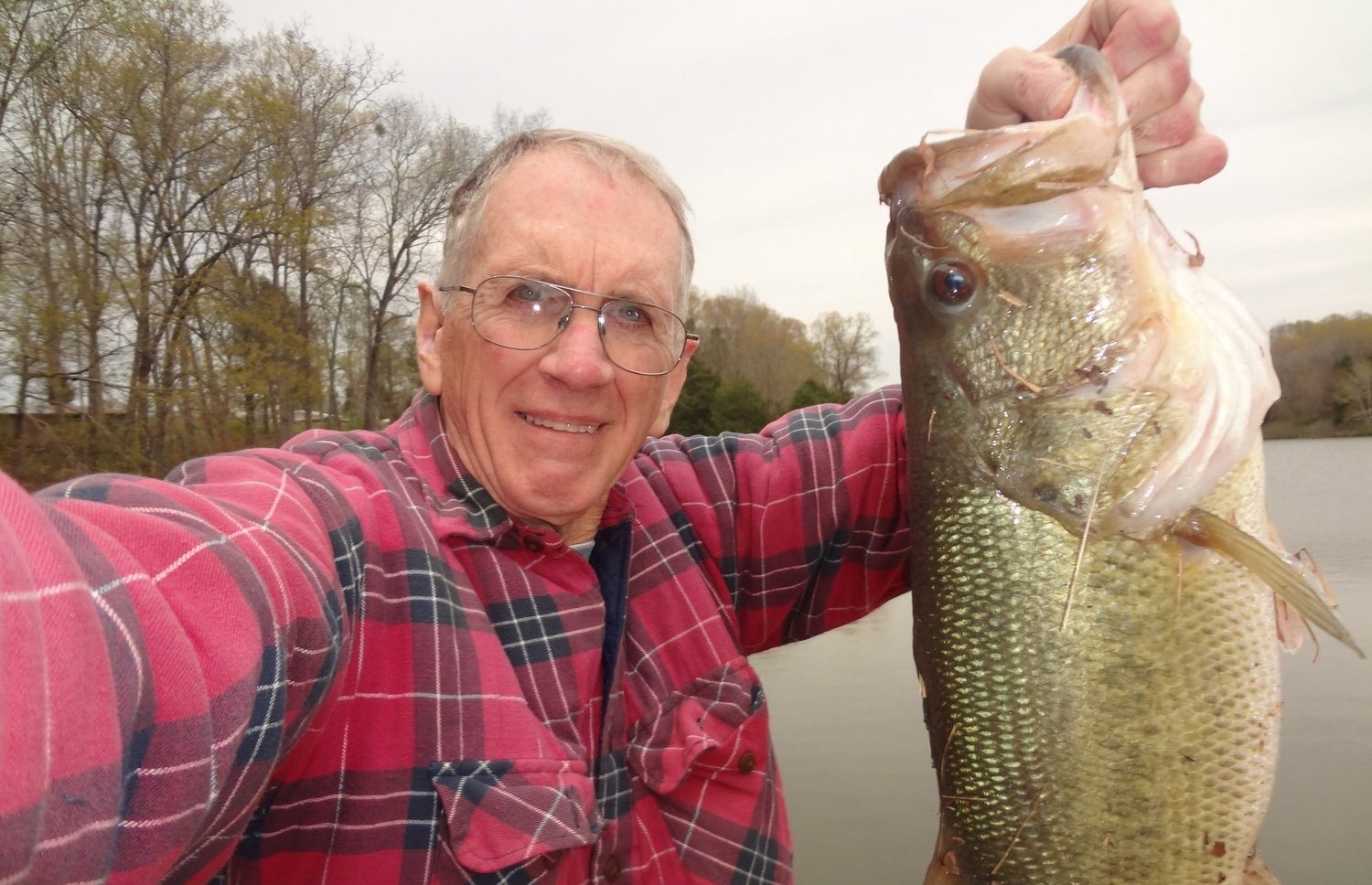
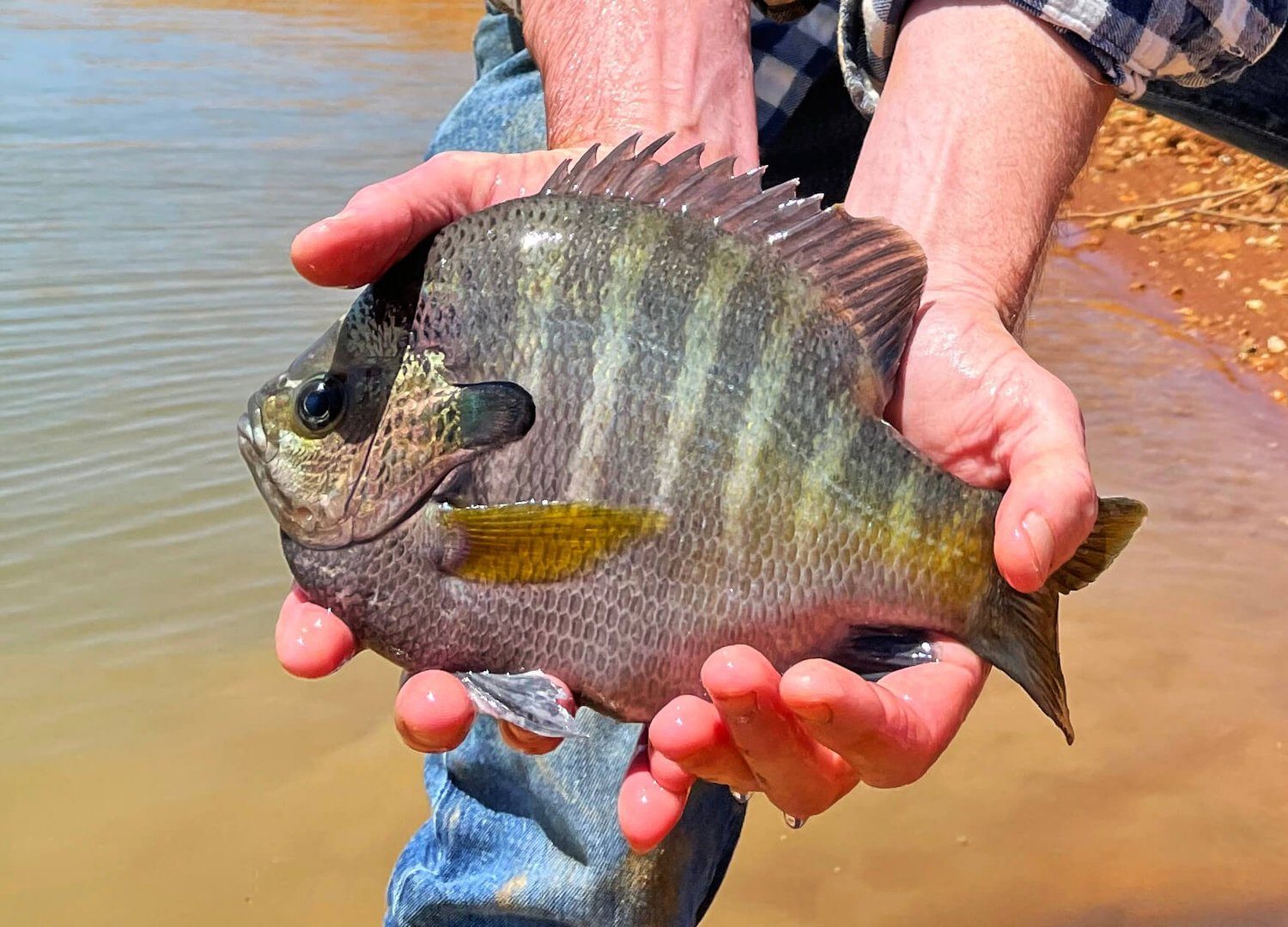
After 4 years of Trophy Pond Management we have caught bluegill up to 2 lb 14 ozs and F1 bass 10 lbs +. Proof is in the pudding!Ron Coker
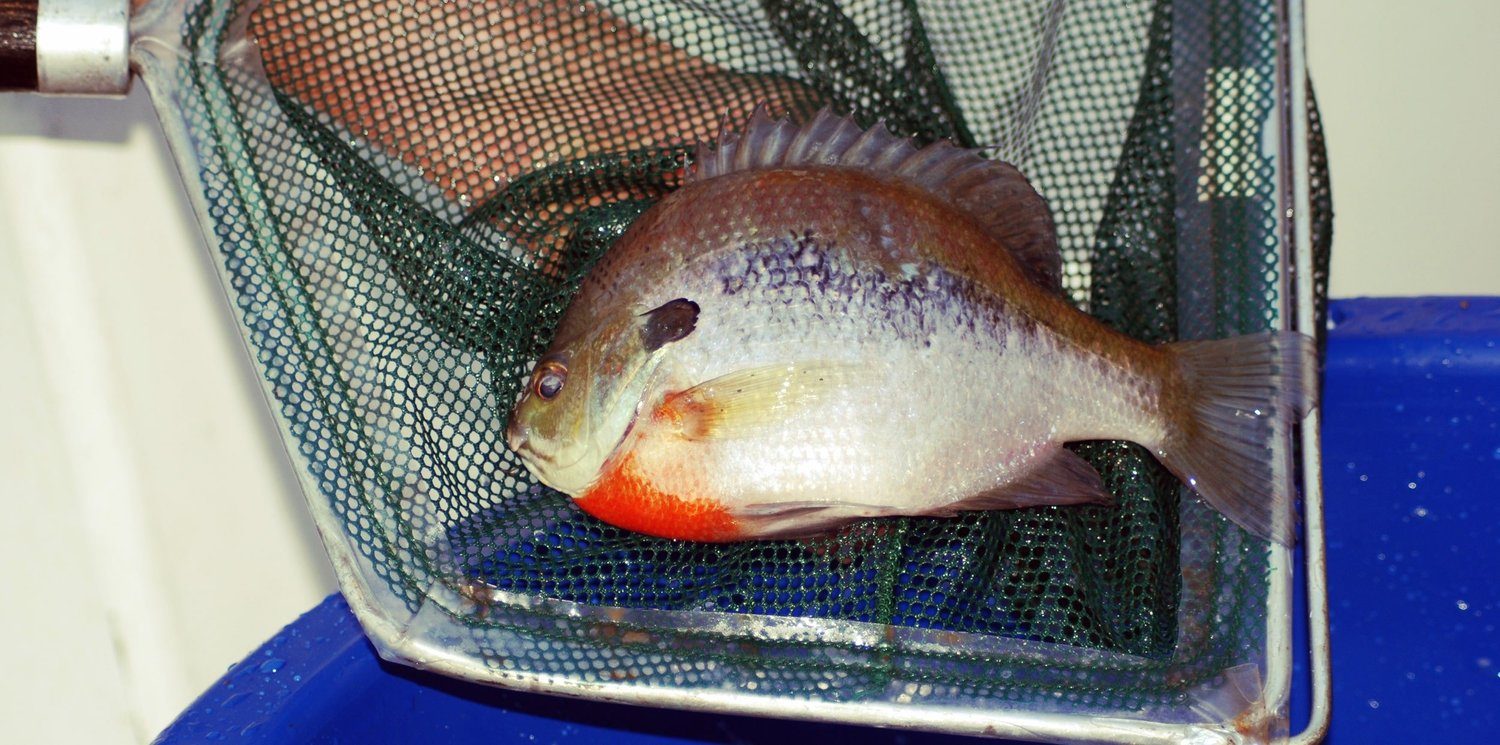
Ron Coker chose us after interviewing three companies, and Walt has helped him with his 1.1‑acre pond since 2014. By Ron's account, after most of a day fishing it, the largest bass was 1.5 pounds and the largest bluegill .6 pounds. The pond has since produced a 10 lb 2 oz largemouth and a 2 lb 14 oz bluegill.
Questions
Questions about lake construction
Tell us what you want to catch in five years and what kind of lake you want to own for the next thirty.
Do you build lakes outside Tennessee?
Yes. We build in Tennessee, Alabama, Georgia, Mississippi, Kentucky and eastern Arkansas, and for lakes over ten acres we travel farther, working across the region to bring trophy fishing to the property. Each state has a page with its own permit notes, starting with lake construction in Tennessee.
What is included in lake construction compared with a typical excavation job?
Lake construction includes site and watershed analysis, soil suitability, grading plans, the dam or levee where one applies, and water control structures. A general excavation job often focuses on moving dirt. Lake building focuses on creating a stable, controlled body of water with a fishery designed into it.
Do you build dams, levees, impoundments and stormwater retention lakes?
Yes, where the site calls for it. Impoundment work includes planning for flood protection, stormwater retention and structural integrity. The exact scope depends on the site and how the lake is meant to work.
How do you keep storms from wrecking a new lake?
We plan controlled inflow and outflow and a safe overflow route, usually runoff control and a spillway, so storm surges do not erode shorelines or the dam. We also plan inspections and adjustments as the lake settles in.
How much watershed does a lake need?
It depends on soil, cover and rainfall. Tennessee's pond guide gives 5 to 15 acres of drainage for each surface acre of water, and 20 to 30 acres where the watershed is wooded (TWRA). Alabama Extension gives about 15 acres per surface acre as a starting point (ANR-1114). Getting this wrong is how a big dam ends up holding a small pond.
Can you build a recreational lake that is also designed for trophy fishing?
Yes, and this is where Walt Foreman's fisheries background matters. We design for recreation and fish growth together: depth zones, structure, shoreline stability and long-term water quality.
Will you help with water quality and the fishery after construction?
Yes. Most lake owners carry construction straight into stocking, lake management, aeration, weed control and electrofishing surveys.
Ready to plan your private lake?
Call or send the details: the acreage, what is on the land now, and the fish you want to catch.
Or call (931) 374-0536