
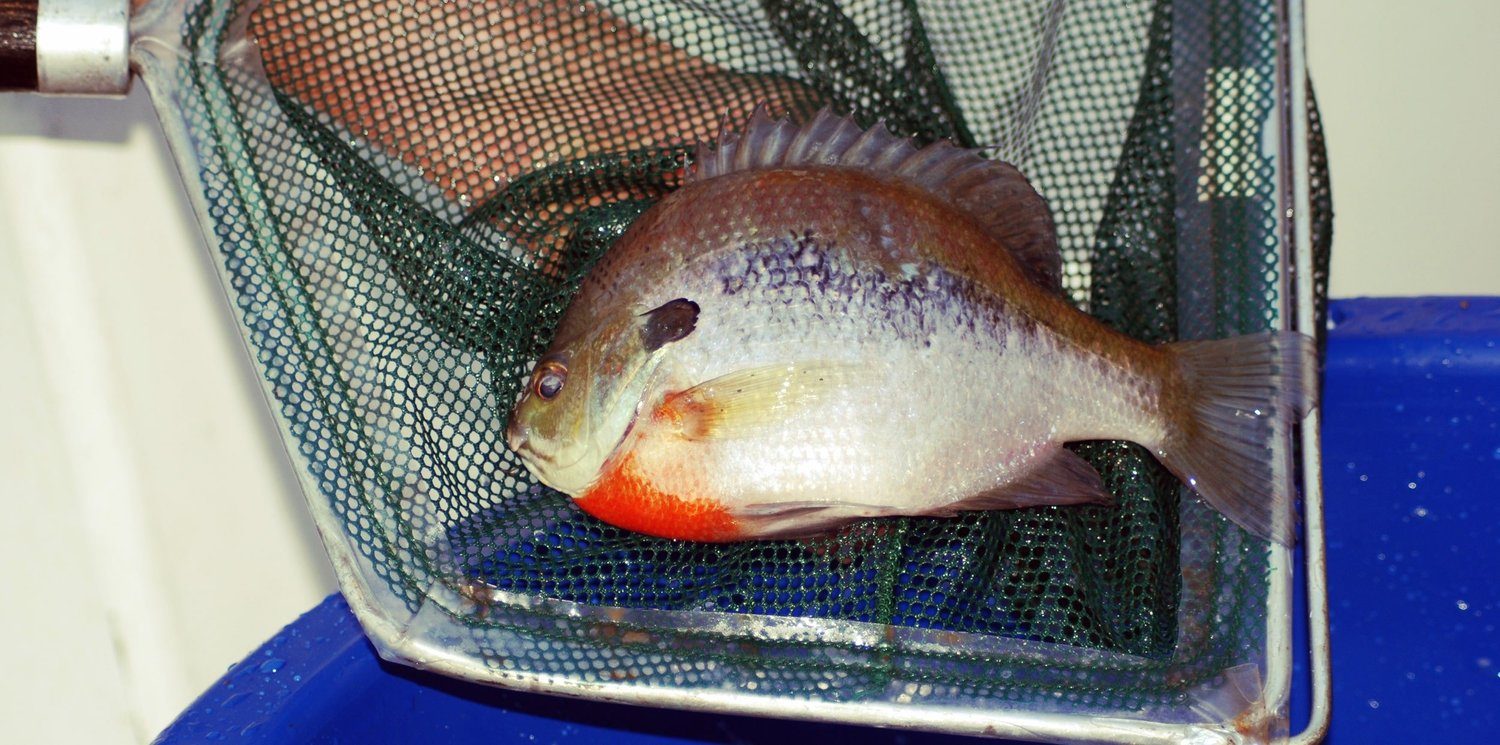
Fish stocking · from our own farm
Fish stocking from a Tennessee hatchery
Those first few minutes of stocking a new or renovated pond can make or break the fishery. We match species, numbers and timing to your pond, with fish we raise ourselves.
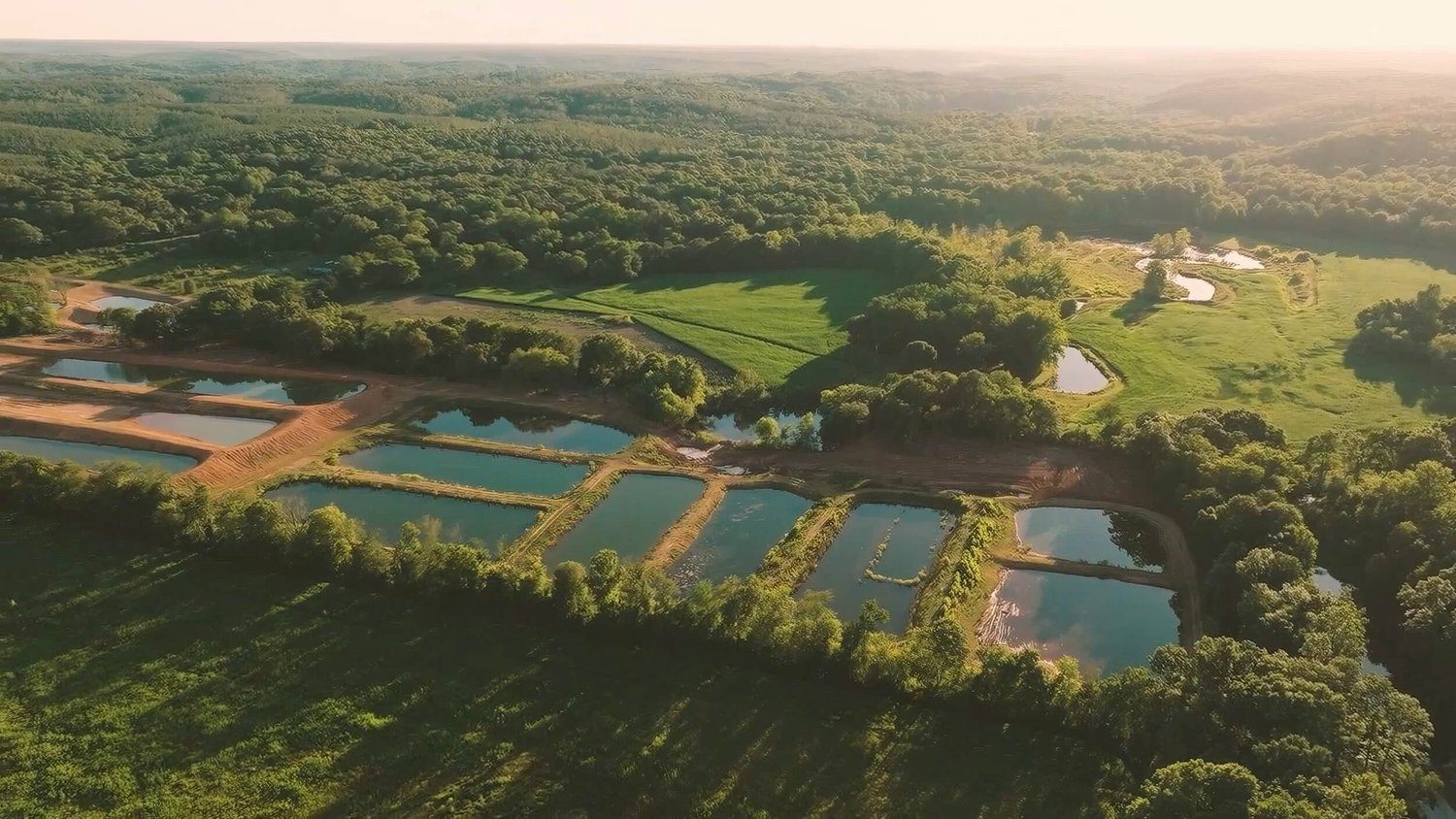
1Why us
Beware of stocking packages
Packages are about making money for the hatchery, not the health of your pond. A company worth buying fish from asks about your goals, then about the pond itself: its size, depth and water quality, and how closely it will be watched.
Stocking the wrong species for your goals, such as channel catfish when you want trophy largemouth, or a species that is not recommended for ponds, can set the pond on a path that only draining and starting over will change. Walt Foreman has been helping landowners stock and manage their ponds since 1987.
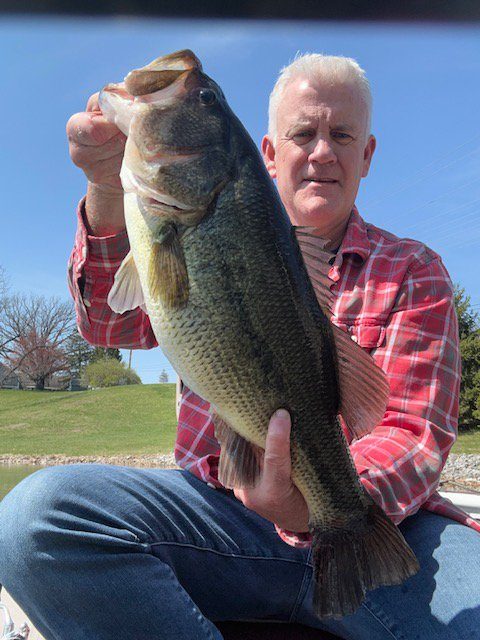
We raise most of the fish we stock. Every largemouth and bluegill we raise on our farm is a subspecies native to Florida; these grow much faster and larger than northern largemouth and bluegill. Tennessee's state-record largemouth came from Chickamauga, a lake TWRA has stocked with pure Florida bass since 2001.
2Stocking a Tennessee pond
Timing, numbers and cost
Answers from Walt Foreman's own records, for Tennessee landowners.
Send the county, the pond's acreage and depth, what is in it now and what you want to catch.
When to stock
Forage fish and bluegill first, bass later. Tennessee's pond guide stocks bluegill in October or November and bass the following June (TWRA). Most fish are moved in the cooler months, March and April or October and November, and most of the Florida bass we raised in 2025 went out as two- to three-inch fingerlings in June and July (Walt's note).
How many fish
Most companies stock 35 to 50 bass per acre in a pond set up for trophy bass (Walt's note). We were once called to a lake stocked at 200 bass per acre, four times what knowledgeable pond managers stock, and its owners have been fighting to turn it around ever since (the story). What is already in the water changes the numbers, which is why we start with an electrofishing survey on an existing pond.
What it costs
Fish are priced by species and size, and delivery, oxygen and travel are part of the price. Walt explains it in Fish pricing for pond stocking. Call for current pricing and availability.
Tennessee water we have stocked
- Memphis, 25‑acre lake. 3,500 pure Florida bass fingerlings in September 2015; in the twelve months before Walt's 2018 report it gave up an eight-pound largemouth and dozens from three to six pounds (report).
- White House, 8‑acre pond. 240 smallmouth bass at five to seven inches in November 2016 (Walt's note).
3Our fish
Raised on our farm in middle Tennessee
Because they are raised here, our Florida-strain fish are adapted to Tennessee winters. We also raise freshwater grass shrimp, and we stock fathead minnows, golden shiners and crayfish.
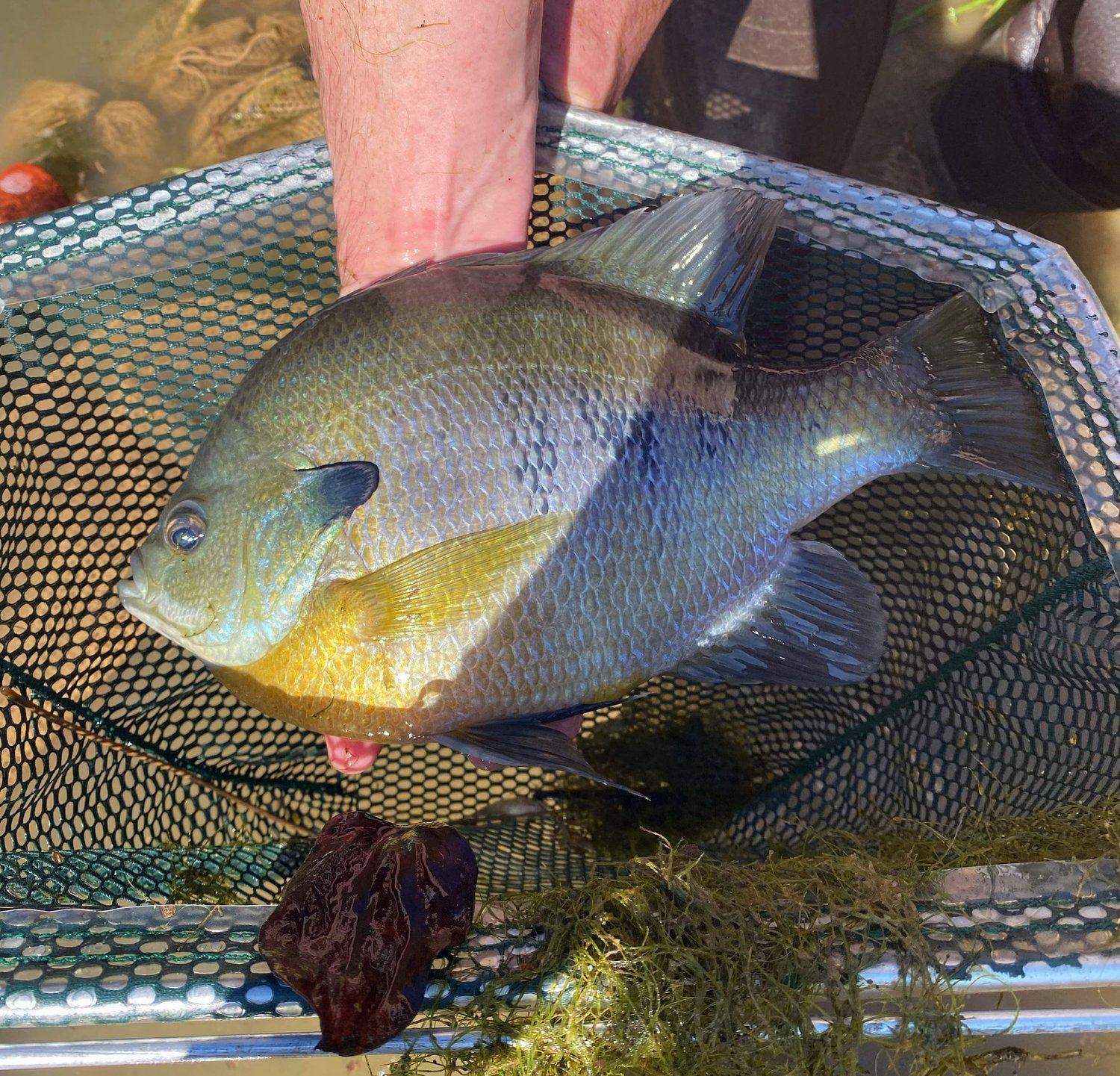
Hand‑painted bluegill
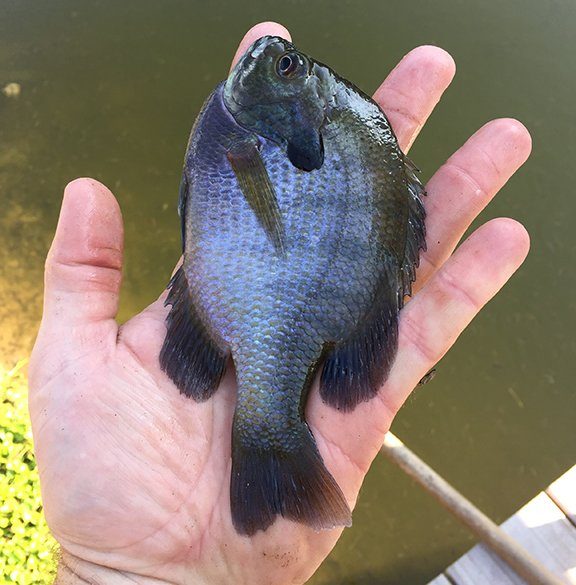
Raised from broodstock caught by hook and line on the Apalachicola and Chipola rivers in Florida. We are the only commercial producer of hand-painted bluegill in the U.S.
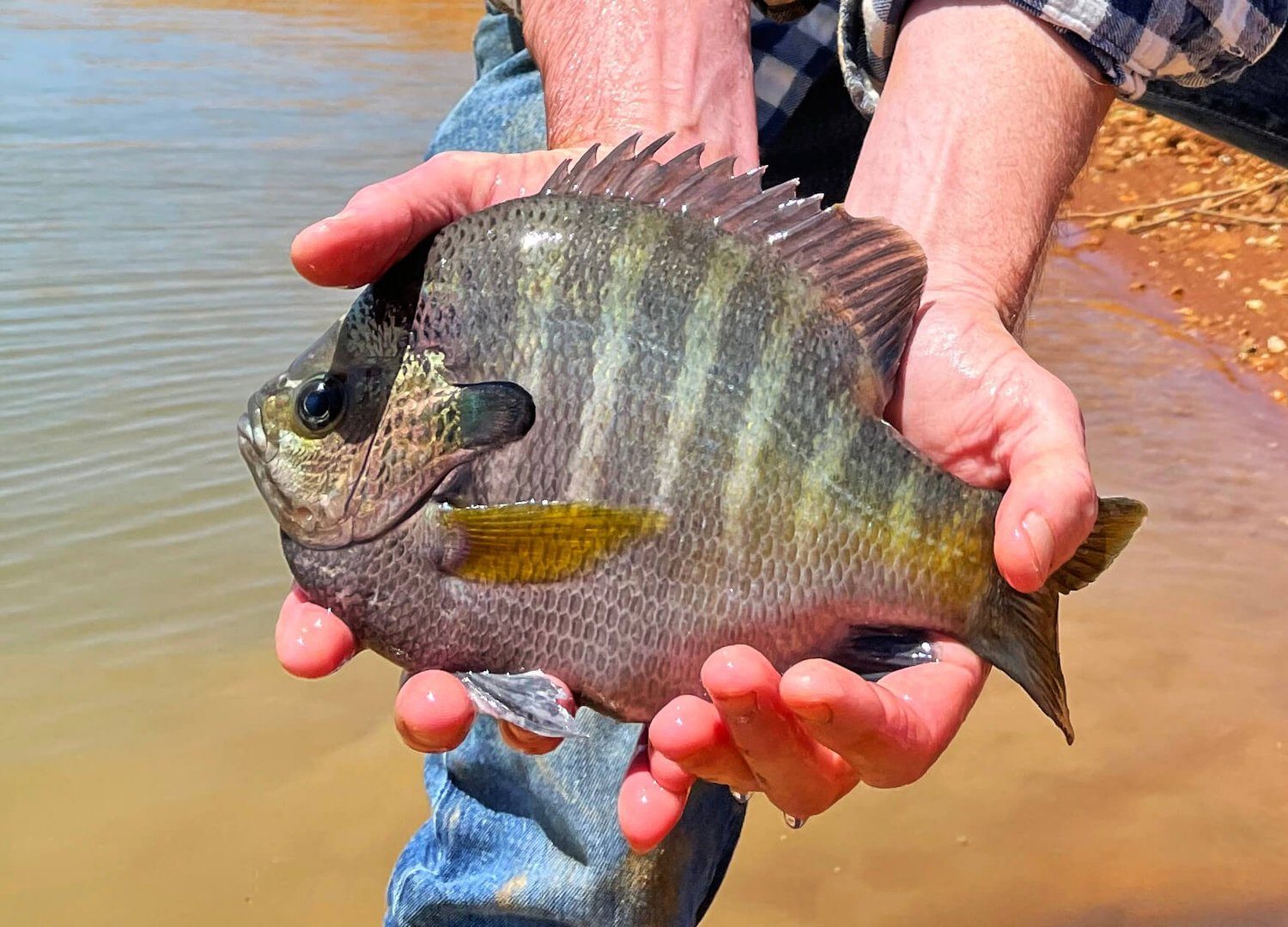
Coppernose bluegill
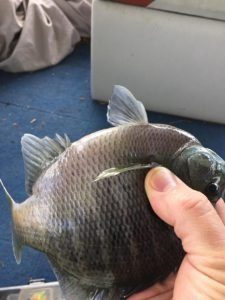
We raise two strains. All of our coppernose broodstock were caught by hook and line from the St. Johns River, Lake Jackson and Lake Miccosukee in Florida.
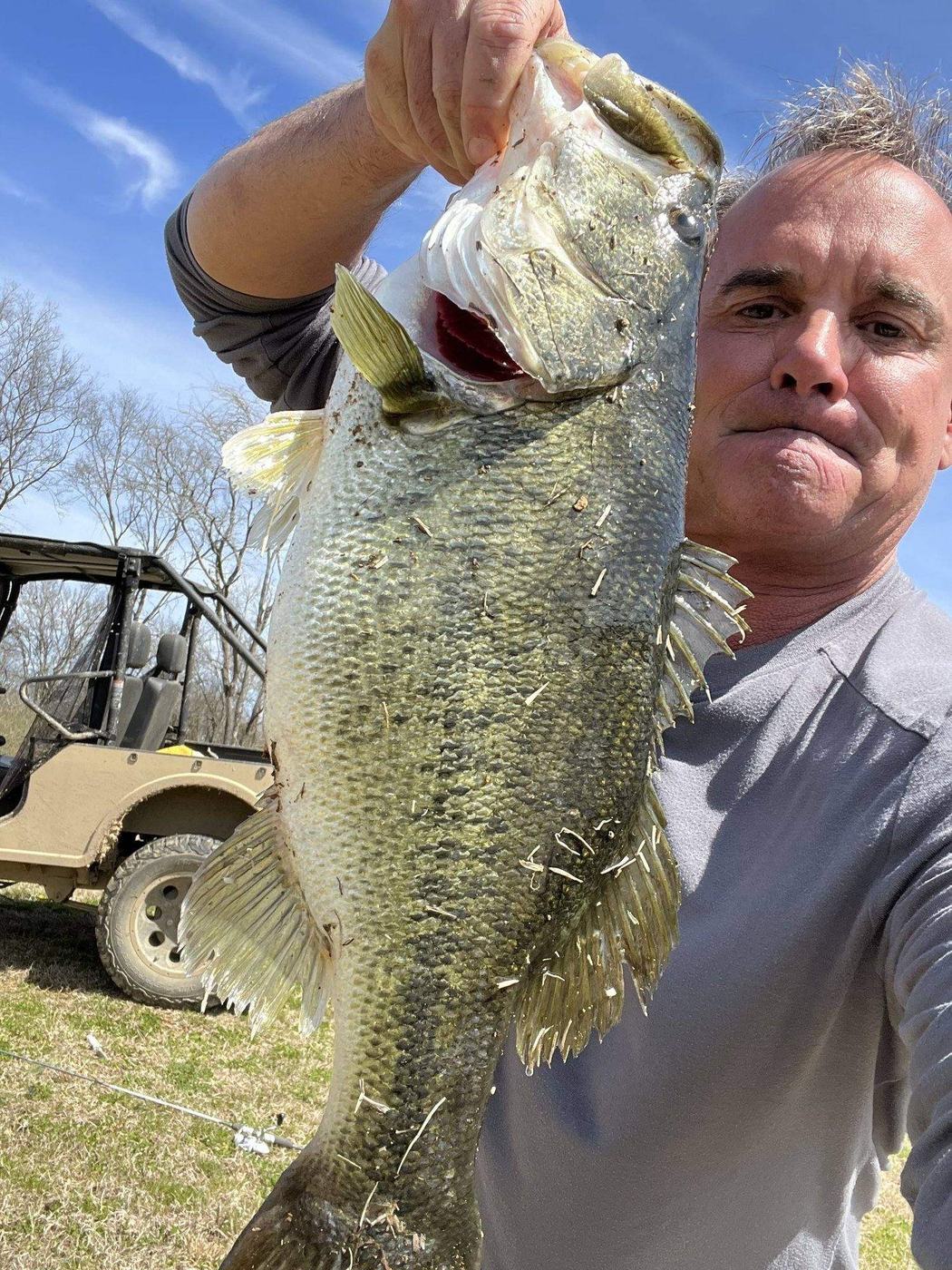
Pure Florida bass
The only hatchery in Tennessee raising pure Florida bass, by our count. Our broodstock were caught by hook and line on our yearly trips to Florida, from 2020 to now.
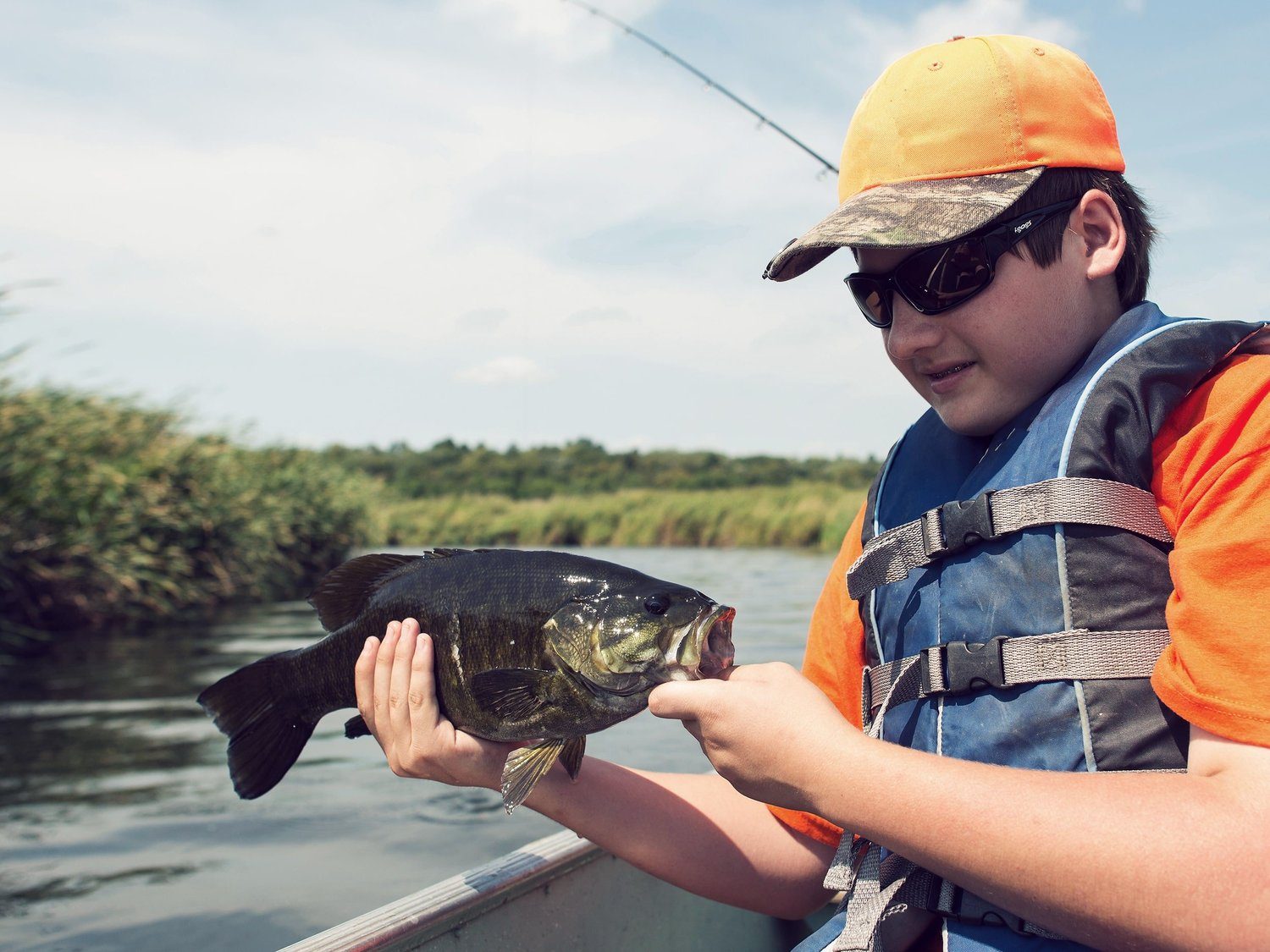
Smallmouth bass
From Dale Hollow Reservoir broodstock. Our strain grows over twice the standard rate.
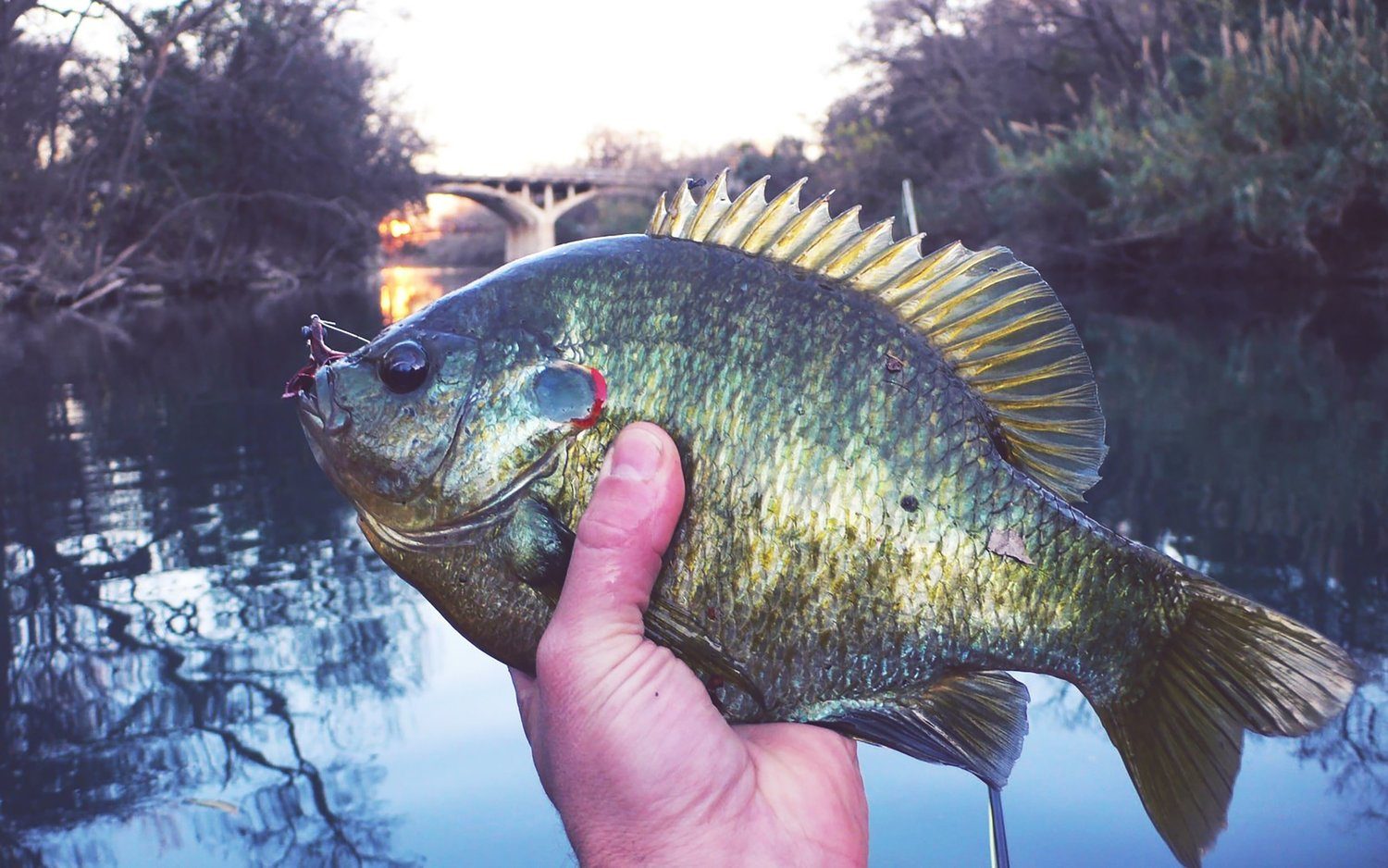
Feed‑trained redear
To our knowledge, the only hatchery in the U.S. with feed-trained redear, which grow much bigger than redear that are not fed.
4Genetics
Genetics are king
An undernourished Great Dane will still tower over a well-fed Dachshund. Northern largemouth usually top out around six or seven pounds, even with plenty of forage; pure Florida bass can reach twelve pounds in the same pond.
We travel to Florida several times every year to catch wild Florida bass, coppernose bluegill and hand-painted bluegill by hook and line for our broodstock, and we breed for the fastest-growing individuals.
Questions
Fish stocking questions
Call (931) 374-0536 for current pricing and availability.
When should a new pond be stocked?
The order matters more than the date: forage fish and bluegill first, bass later. Tennessee's pond guide stocks bluegill in October or November and bass the following June (TWRA). We set the timing for your pond.
How many fish should I stock?
For a pond set up for trophy bass, most companies stock 35 to 50 bass per acre. Beyond that, it depends on the pond's size, depth, water quality, and how closely it will be watched. The same numbers can be good in one pond and a disaster in another pond of the same size. That is why we ask about your goals and your pond before recommending a single fish.
Should I stock channel catfish, crappie or hybrid bluegill?
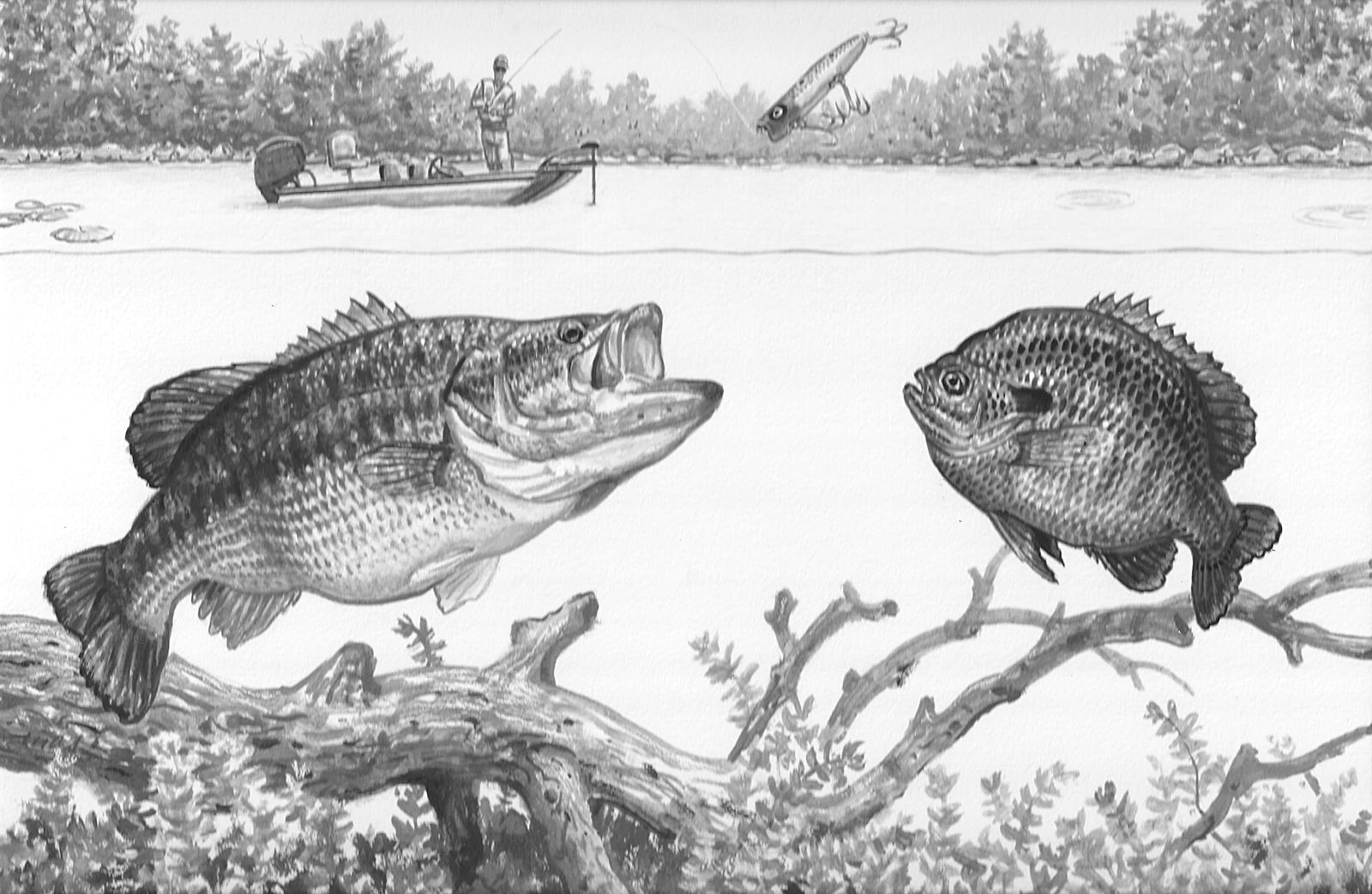
Usually not if trophy bass or bluegill are the goal. Catfish compete with your target fish, crappie are not recommended for ponds, and hybrid bluegill should never be stocked with pure bluegill because of the genetic problems they cause, a caution Tennessee's pond booklet includes.
Does TWRA still stock private ponds?
No. TWRA has stopped offering fish for private ponds and small lakes and points owners to commercial producers (TWRA).
Where do you stock?
We stock private ponds and lakes across Tennessee, Alabama, Georgia, Mississippi and Kentucky, from a quarter-acre pond to a 1,000‑acre lake. Call for current pricing and availability.
Stocking a new or existing pond?
Tell us the pond's size, depth and what you want to catch.
Or call (931) 374-0536