
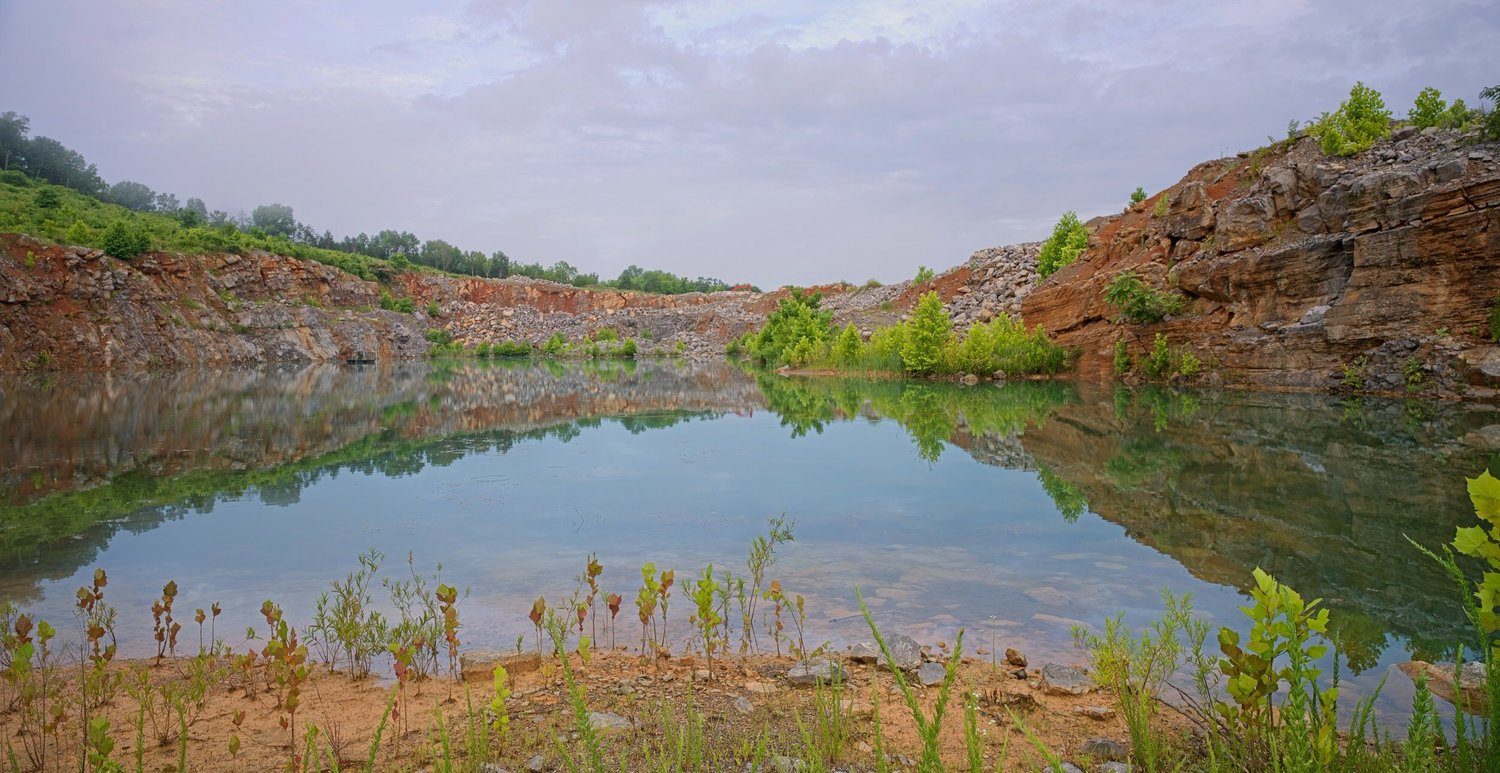
Leak repair and dredging · TN, KY, AL, MS, GA, AR
Lake and pond leak repair across the Southeast
Most ponds do not leak from one spot you can find and patch. We fix water loss by correcting permeability and compaction, so the pond holds water and the fishery stays healthy.
1Why leaks matter to fish
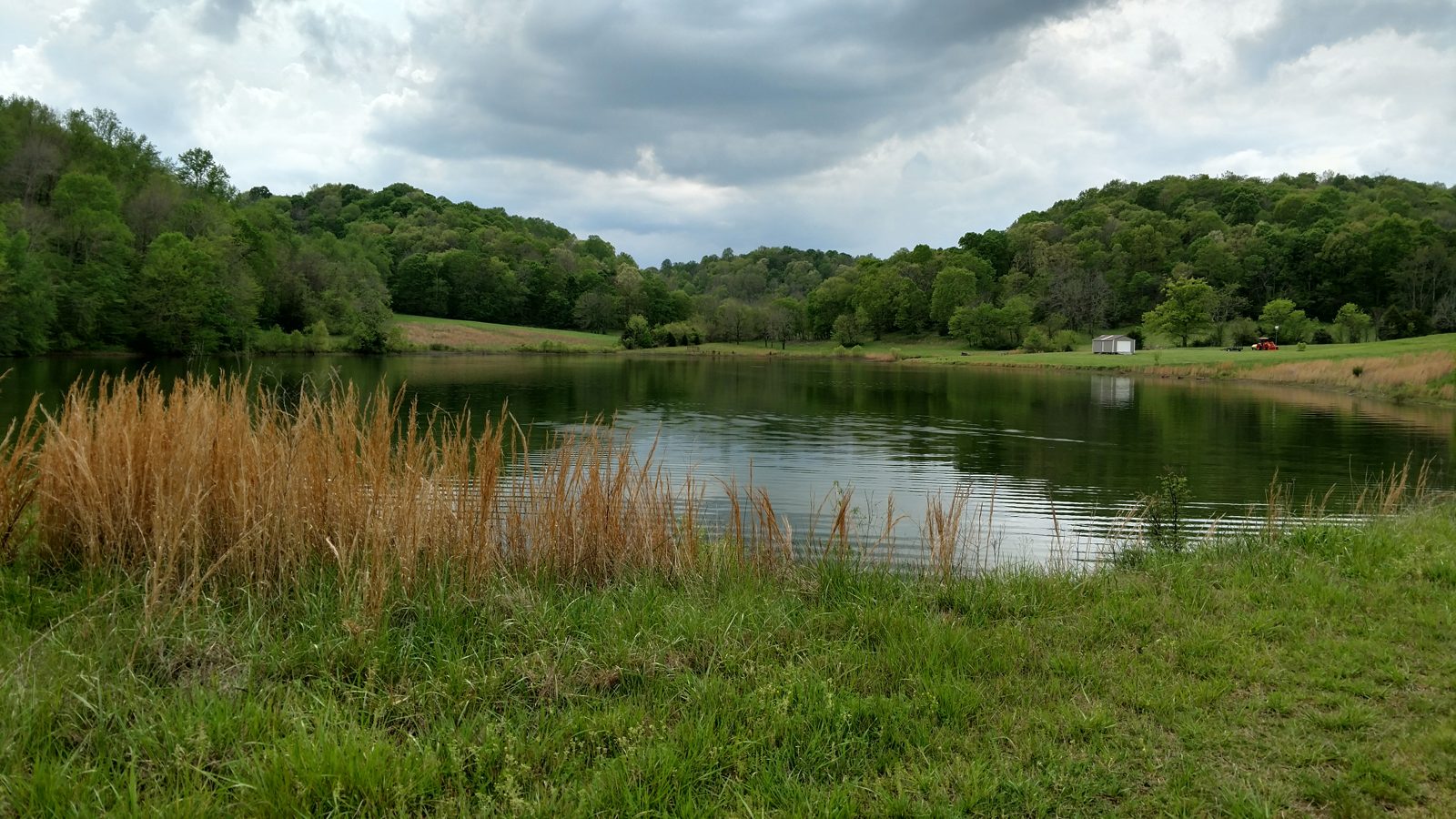
Why pond leaks hurt the fishery
When a pond leaks, the falling water pushes fish off their shallow habitat into deeper water, crowds them, and stresses the whole fishery.
Water loss is usually tied to soil conditions and poor compaction, especially around the dam and where the shoreline meets it. So our approach is to rebuild the sealing and stability of the pond. In most cases we seal with clay as part of proper soil preparation and compaction, not with bentonite or polymers.
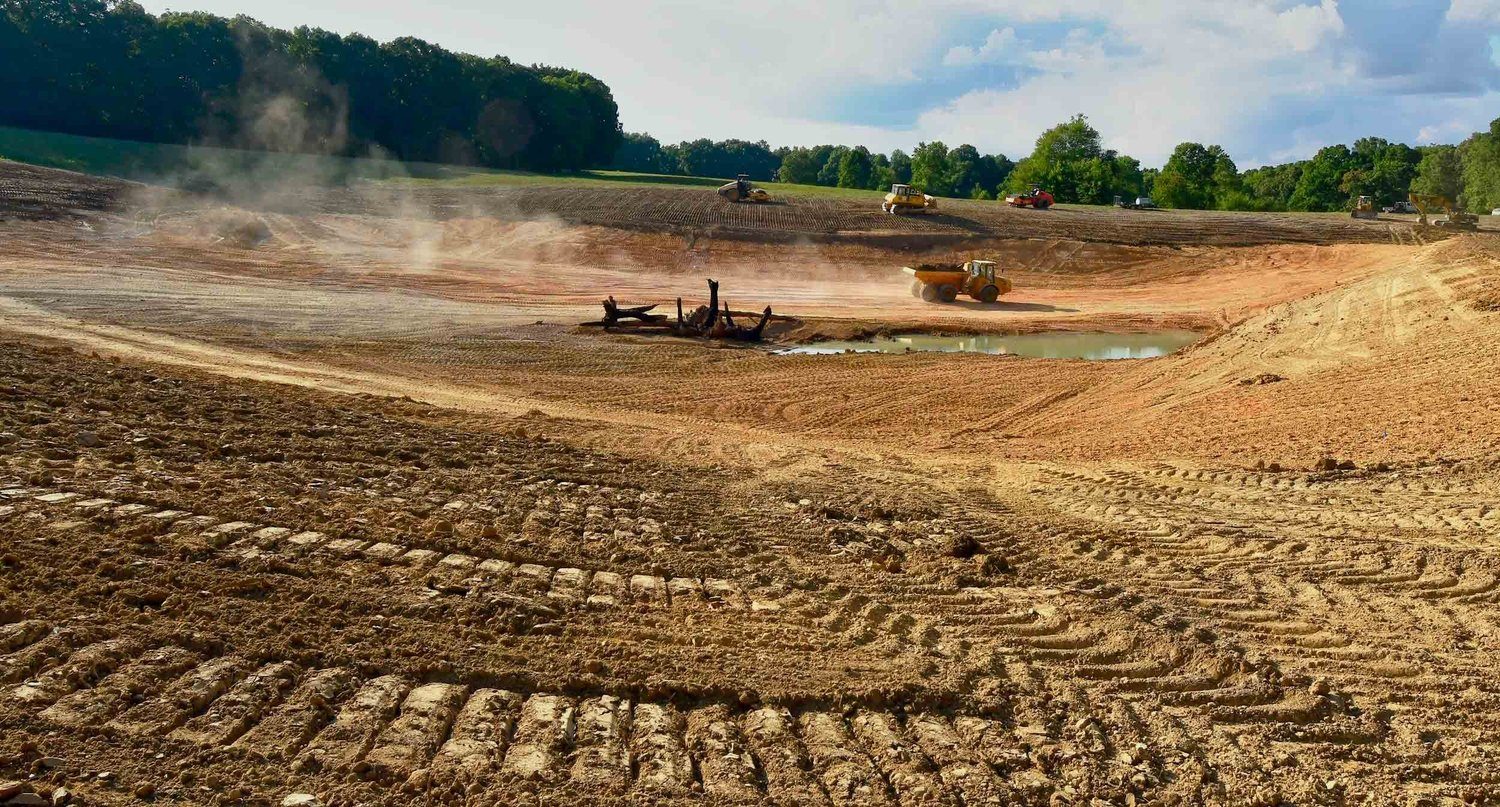
While the equipment is on site, we correct the depth, slopes and structure that shape how fish live and feed, so the pond recovers faster.
2The repair process
Our six‑step pond leak repair process
Symptoms and history
Water-level history, rainfall patterns, recent changes around the pond, and what you have already tried, so nobody repeats an expensive guess.
Basin, dam and structures
We inspect shorelines, the dam, overflow paths, pipes through the dam and water control structures to see how water is getting out.
A repair plan for the soil
Targeted re-compaction, sealing changes, shoreline correction and structural upgrades matched to the soil.
The structural repair
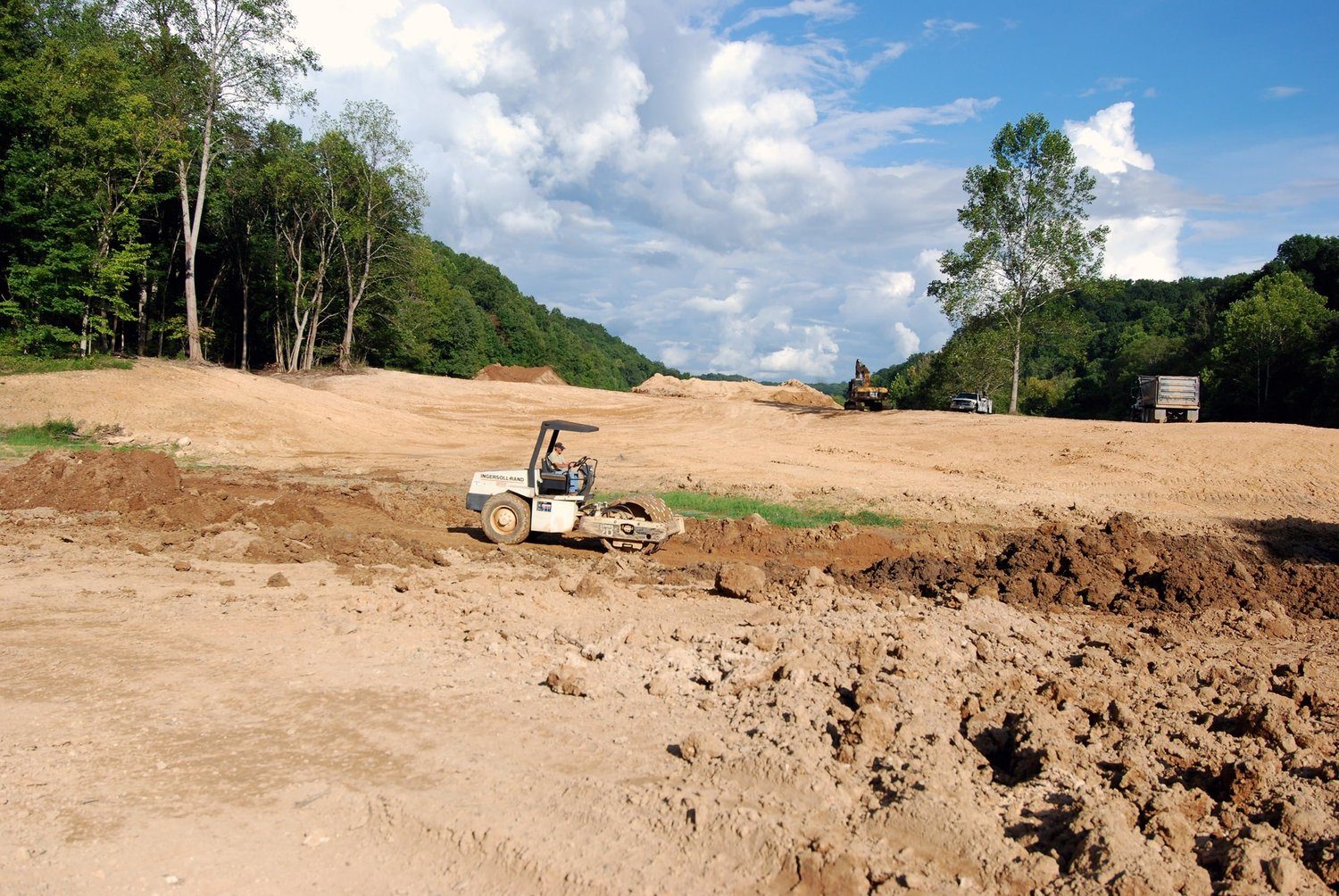
Earthwork and structural repairs with water retention and long-term stability as the priority.
Habitat while we are there
Depth, slopes and structure corrected so fish feed and grow once the water is back.
A plan to keep it
Guidance on stable water levels and vegetation control without over-spraying, with optional stocking, electrofishing and aeration.
3What we aim for
A 1.6‑acre pond near Columbia
A fishery turnaround from our case studies. Before our work and management, the biggest largemouth in the pond was two pounds.
That is the aim of a repair or rehabilitation: not only stopping the leak, but restoring the fishery to something you are proud of.
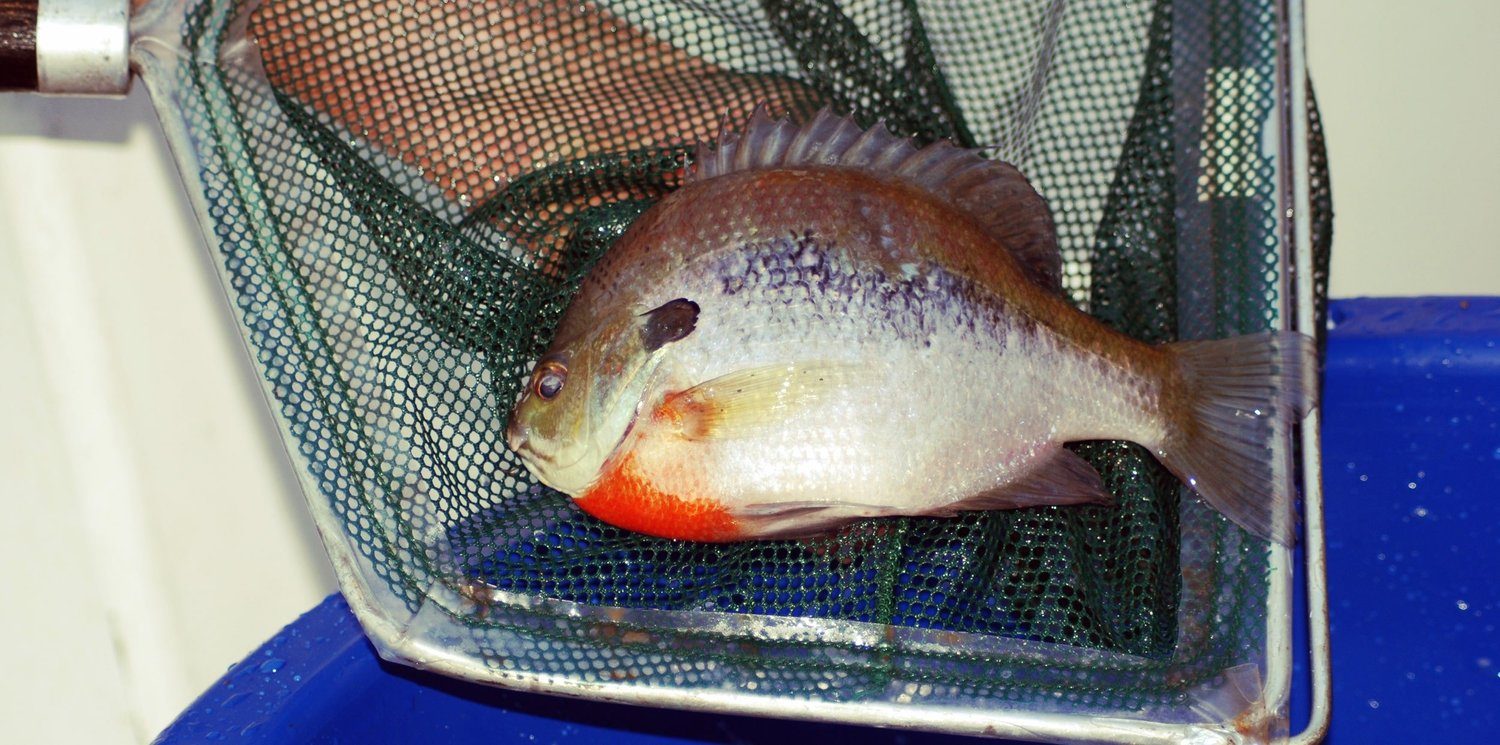
Since then the owner has caught largemouth up to eight pounds, along with bluegill up to 10.75 inches.
4Dredging
When a lake or pond needs dredging
If you own the water long enough, you will need to dredge it.
Every lake and pond collects silt and muck. Organic muck is rich in phosphorus, so as it builds it feeds weeds, crowds out depth and lowers dissolved oxygen.
Muck always settles in the deepest water, so the depth your fish need to ride out the hottest and coldest weeks is the first depth you lose. We dredge with conventional excavation equipment. A hydraulic dredge avoids draining the pond and can suit a light pass; when a lake needs a real cleanout, excavators remove far more material for the money.
Questions
Leak repair and dredging questions
Is my pond leaking, or is it evaporation?
We start with the water-level history and a site inspection, then look at the dam, the basin, the structures and the likely seep paths. Water loss that runs well past seasonal expectations usually points to permeability and compaction problems that need real repair work.
What are the most common causes of pond and lake leaks?
Poor compaction, soils with too little clay, problems around pipes and structures that pass through the dam, and construction flaws that let water move through the basin or dam.
Do you seal ponds with bentonite, polymers or clay?
In most cases, clay, as part of proper soil preparation and compaction. We usually do not rely on bentonite or polymers as the main fix, because lasting results come from building the basin and dam correctly.
Can you repair drains, siphons and risers?
Yes, as part of a leak repair. Many repairs involve the parts that manage water pressure and flow, and making sure overflow is safe in heavy rain.
How do you dredge a lake?
With conventional excavation equipment rather than a suction dredge. Hydraulic dredging can make sense for a light pass on a young pond. When a lake needs real dredging, removing a large share of the silt and muck, excavators are many times more cost-effective. Our dredging article.
Do you repair leaks outside Tennessee?
Yes. Leak repair runs in Tennessee, Alabama, Georgia, Mississippi, Kentucky and eastern Arkansas.
Losing water?
Tell us what is happening and what you want to catch in five years.
Or call (931) 374-0536